At Blackfish Engineering, we proudly support our clients in the development of many groundbreaking advancements in the offshore marine energy landscape. In this issue of Innovators Corner we are shining a spot light on MJR Power and Automation, whose Offshore Charging System is revolutionising the marine transportation industry and will help drive decarbonisation in offshore renewable energy.
MJR Power and Automation are at the forefront of this transition, envisioning a world where electric vessels replace many of the traditional marine gas oil engines, significantly reducing the marine sector’s carbon footprint. This vision aligns with the International Maritime Organization’s goal of cutting carbon emissions by 50% by 2050. Through innovative solutions like their Offshore Charging System, MJR Power and Automation can enhance operational efficiency and set new standards for environmental stewardship in the offshore wind industry.
Offshore wind farms require a fleet of vessels for various operations, traditionally powered by fossil fuels. By adopting electric and hybrid vessels, the industry can drastically reduce emissions and operational costs. Paul Cairns, Managing Director at MJR Power and Automation, emphasizes that replacing marine gas oil-fueled vessels with clean energy alternatives can save up to 2,500 tonnes of CO2 emissions annually per vessel.
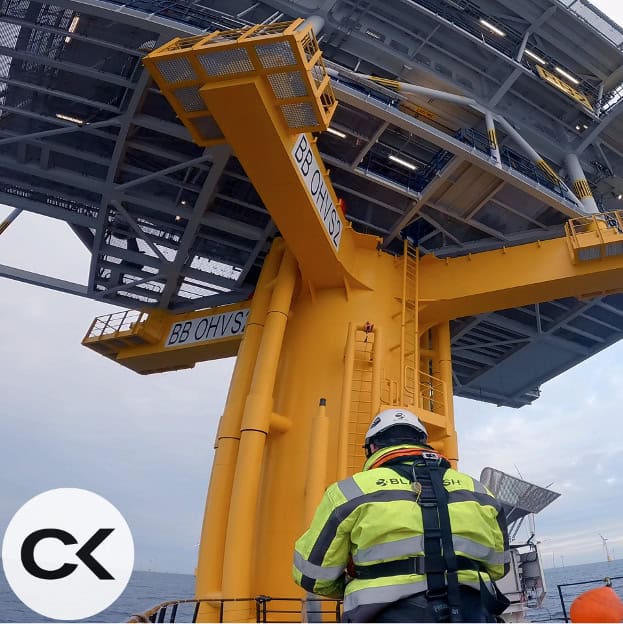
Over the past few years the Clean Maritime Demonstration Competition (CMDC), funded by the UK Department for Transport and Innovate UK, supported innovative projects aimed at maritime decarbonization. In 2021, MJR Power and Automation received initial funding through the CMDC and started a new product development program, engaging with Blackfish Engineering to support the product development, iterative design, system testing and commercial validation of their Offshore Charing system.
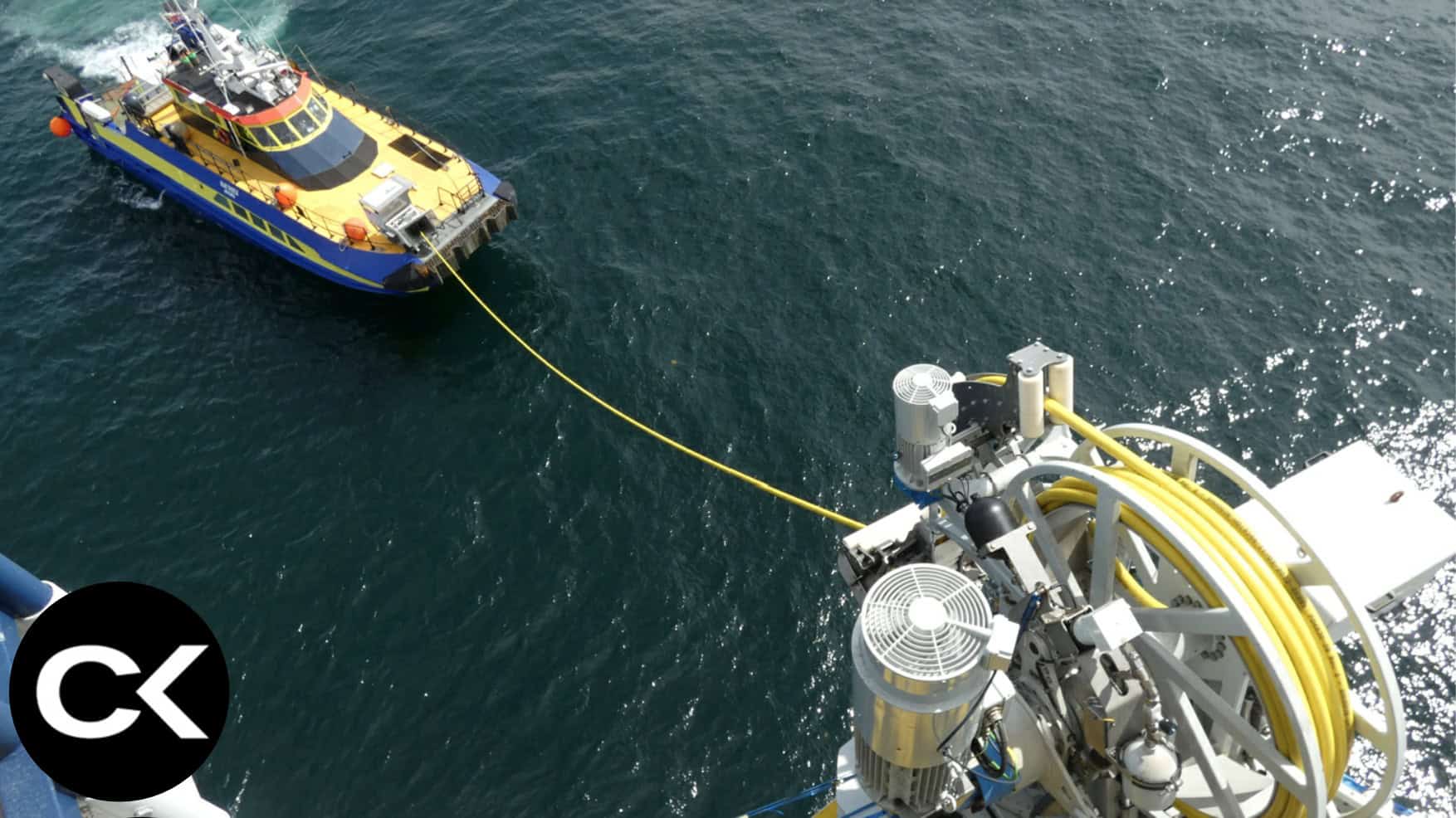
The Offshore Charging System represents a significant leap forward in marine technology. This solution allows electric and hybrid vessels to recharge in wind farms using power generated by offshore wind turbines. Unlike traditional systems exposed to seawater, this “in air” charging system ensures more sustainable and efficient operations.
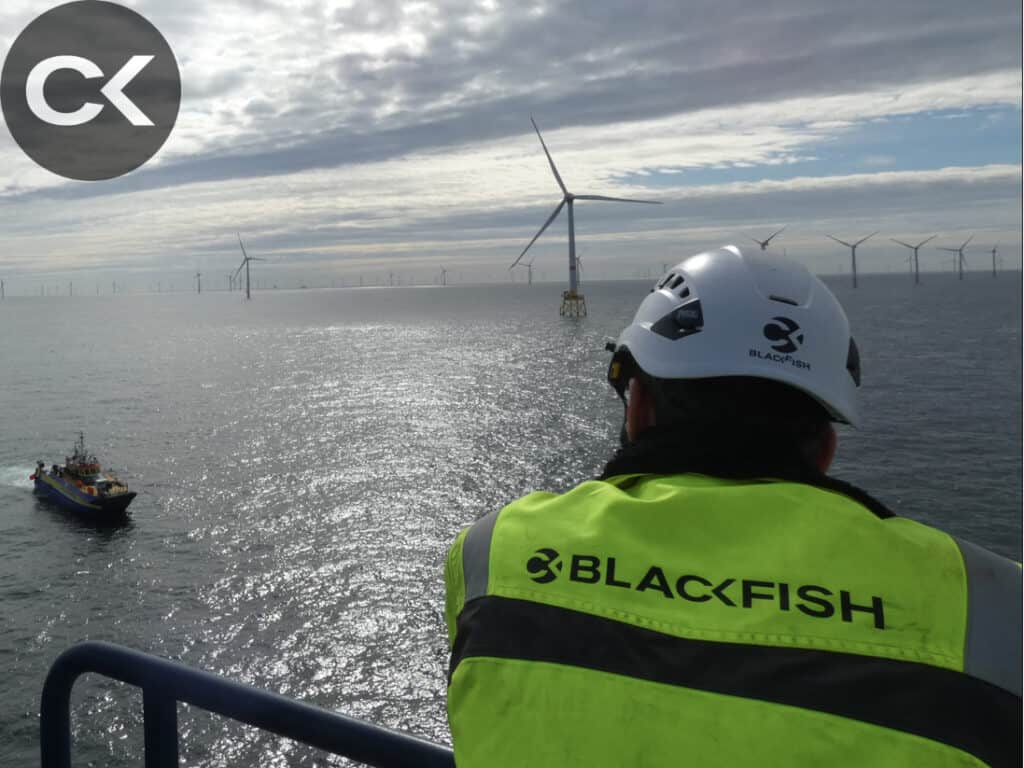
The development journey of the Offshore Charging System began in 2021 with concept development, followed by detailed design and prototyping in 2022. Blackfish Engineering played an integral role, providing mechanical design, systems integration, and project engineering support. Full-scale harbour trials in March 2023 and successful offshore trials at Parkwind’s Nobelwind wind farm in July 2024 validated the system’s performance and operational effectiveness.
Kristof Verlinden, Head of O&M at Parkwind, praised the system for enabling maintenance vessels to access green energy directly from wind turbines without disrupting operations. This milestone highlights the importance of trusted engineering partnerships. Blackfish Engineering’s expertise ensured the successful deployment and operation of the Offshore Charging System.
MJR Power and Automation, supported by Blackfish Engineering, are leading the way in offshore power and charging, setting new standards for sustainability and innovation in the marine sector. Their work exemplifies the transformative power of collaboration and cutting-edge engineering in achieving a cleaner, greener future for maritime operations.