


As autonomous vessels take on longer and more demanding missions, Fischer Panda UK | Power Solutions highlights the importance of selecting the right onboard power architecture
As autonomous and uncrewed marine platforms become increasingly capable, the focus is moving beyond how much power a vessel requires to how that power is generated, stored and managed. Selecting the right onboard power architecture is now a critical design decision, influencing mission endurance, reliability and operational performance.
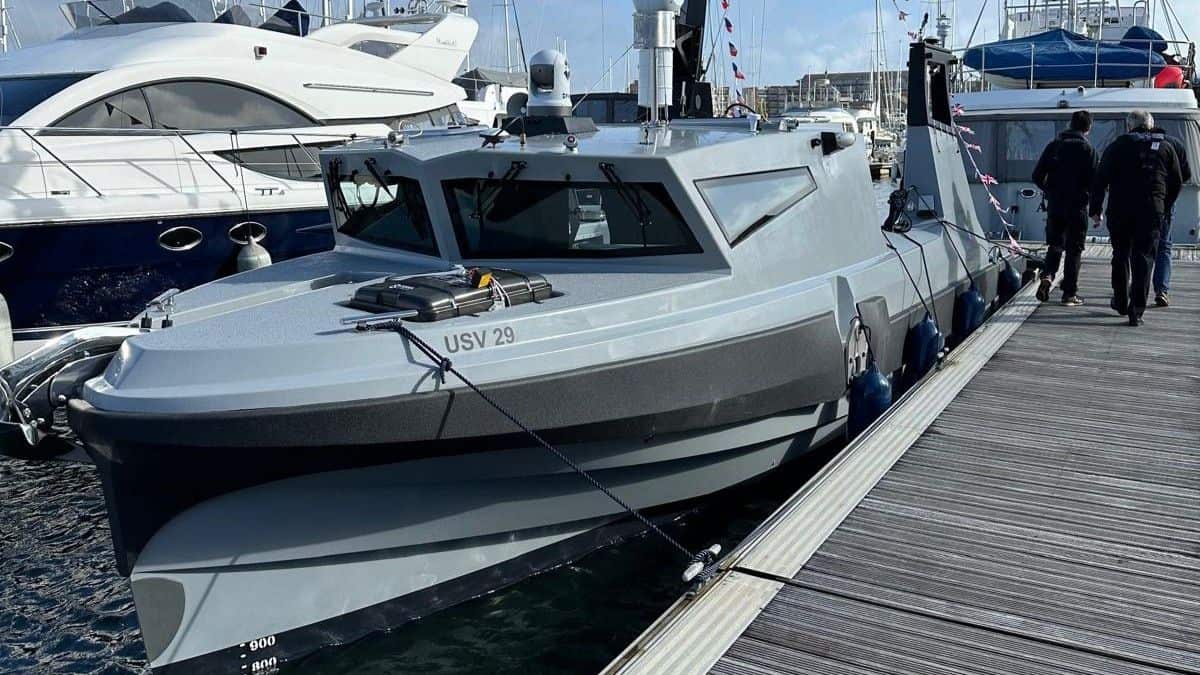
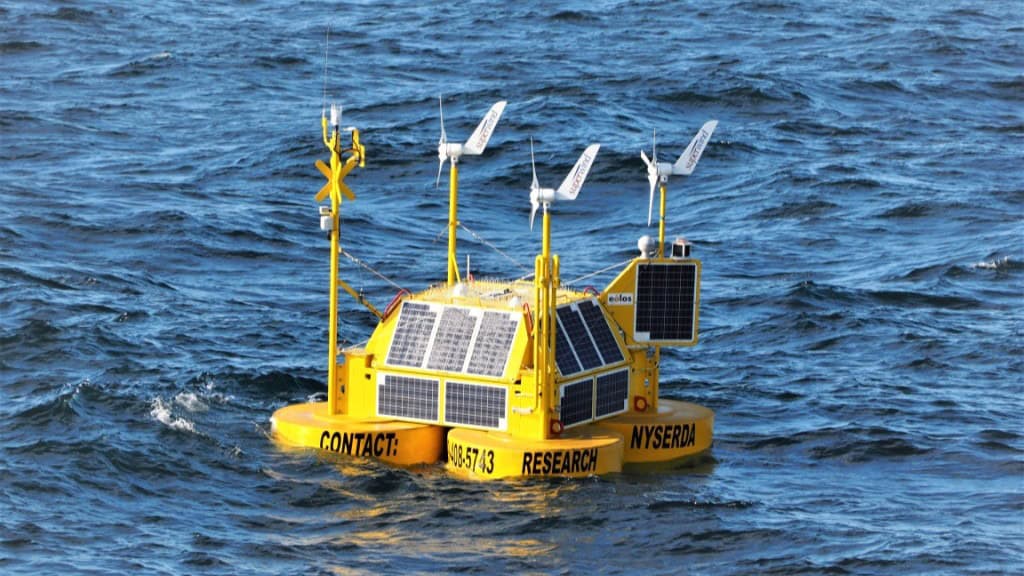
From uncrewed surface vessels (USVs) and autonomous underwater vehicles (AUVs) to offshore monitoring buoys and remote environmental stations, every platform has its own operating profile. Mission duration, payload requirements, installation constraints and maintenance intervals all play a role in determining the most effective power solution.
Chris Fower, Managing Director of Fischer Panda UK | Power Solutions, comments: “Autonomous marine systems are becoming increasingly sophisticated, and we’re seeing more enquiries from customers looking for guidance on how different onboard technologies can work together. As platforms become more capable and mission requirements become more demanding, selecting the right onboard power architecture is becoming just as important as selecting the platform itself.”
For applications requiring continuous high-power output, compact diesel generators remain one of the most effective solutions. Fischer Panda’s AC generators, available from 2.5 kW upwards, provide reliable auxiliary power where onboard equipment, charging systems or hotel loads exceed battery capability.
For hybrid and electric propulsion applications, Advanced Generator Technology (AGT) DC generators are designed specifically as highly efficient battery chargers, available in low-voltage (12-48 VDC) and high-voltage (300-500 VDC) configurations. Rather than supplying onboard loads directly, they act as intelligent range extenders, automatically maintaining battery state of charge while operating at optimum engine loading.
Where silent operation is critical, electric propulsion offers significant operational advantages. Fischer Panda’s permanent magnet electric motors are available from 3.8 kW at 48 V through to 100 kW high-voltage systems, covering shaft drives, pod motors and hybrid propulsion arrangements. High torque at low speeds, efficiencies of up to 96% and minimal maintenance requirements make them particularly well suited to autonomous vessels where reliability is paramount.
For long-endurance, low-power applications such as communications equipment, environmental sensors and navigation systems, methanol fuel cells provide an attractive alternative. EFOY fuel cells deliver continuous, silent battery charging independent of solar availability, significantly extending deployment periods while reducing maintenance visits. They are particularly effective where daily energy demand is modest but continuous operation is essential.
Renewable generation also has an increasingly important role to play. Wind turbines such as Superwind can provide supplementary charging throughout the day and night, making them particularly effective on offshore monitoring buoys and permanently deployed systems where wind resources are more consistent than solar alone. Combined with intelligent battery management, renewable generation can dramatically increase system autonomy while reducing servicing requirements.
Chris continues: “For decades, Fischer Panda has been a trusted name in onboard power, and we’ve built on that engineering heritage by carefully expanding our portfolio with complementary technologies. Our role is not simply to supply individual products, but to help customers understand which technologies are best suited to their application and integrate them into a complete onboard power system.”
No single technology provides the answer for every platform.
The real engineering challenge lies in understanding how generators, battery storage, electric propulsion, fuel cells and renewable energy sources complement one another. Selecting the right combination allows autonomous platforms to operate for longer, require less maintenance and deliver greater operational resilience.
As autonomous marine operations continue to develop, success will increasingly depend not on selecting the latest technology, but on selecting the right combination of technologies for each individual mission.