


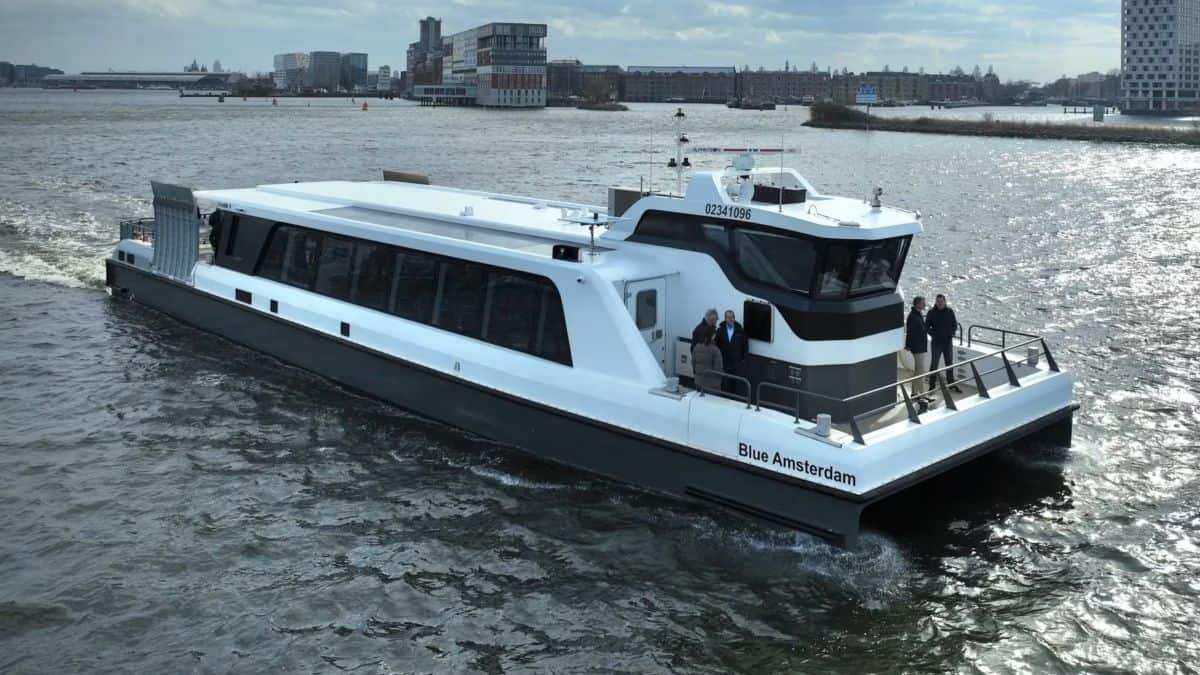
Fully electric passenger waterbus designed for sustainable urban water transport with zero emissions and extremely low wash.
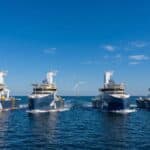
Damen Shipyards Group has completed construction of the first Waterbus 2907 Electric, a fully electric passenger ferry developed to support sustainable public transport on urban waterways.
The new ferry has been designed to operate with zero emissions while generating extremely low levels of wash, helping to minimise its environmental impact when operating in busy city environments and sensitive inland waterways.
Damen introduced the vessel during a special event at Damen Shiprepair Amsterdam, where guests were invited to view the waterbus and learn more about the shipbuilder’s approach to electric passenger vessel development.
Damen is now offering the vessel for immediate sale or lease as it aims to support wide access to sustainable solutions. For the development of the vessel, Damen has received a sustainable shipbuilding subsidy (Subsidie Duurzame Scheepsbouw) from the Netherlands Enterprise Agency (Rijksdienst voor Ondernemend Nederland ). The subsidy aims to stimulate innovative, experimental technologies to promote sustainability in shipbuilding and conversion.
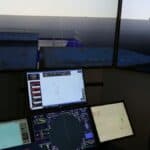
Damen initially built a series of hybrid Waterbuses 2907, prepared for conversion to full electric at a later date. This first fully electric version is an evolved design that draws on lessons learned in the construction of the first generation. This can be seen, for example, in the improved ergonomics in the vessel’s wheelhouse and 1000 VDC system architecture.
The Waterbus 2907 features an optimised, highly efficient hull that Damen has developed together with MARIN (Maritime Research Institute Netherlands). During the development, focus was on creating a design with the optimal sizing of the main dimensions, including the hull length and the spacing between the catamaran hulls. As a result of this work, the vessel features slender hulls with a beam of just 1.1 metres.
Carbon fibre has been incorporated into the hull to reduce weight, compensating for the added weight of the batteries. The low weight of the hull ensures that the wake produced by the vessel is minimised.
As a result, disruption to other waterway users and infrastructure is also minimal. The Waterbus 2907 Electric also features azimuth thrusters that allow for easy manoeuvrability, even in tight areas on busy waterways.
In line with its practice of serial production of proven solutions, Damen, together with its co-makers, has developed a standard DC system and battery cabinets. This has resulted in a 1000-volt system that allows for rapid recharging.
The electric passenger ferry uses charging sockets proven in operation in the automotive sector. It is also prepared for the latest Megawatt Charging System (MCS), developed for the heavy-duty automotive sector. Damen has planned a full test later this year. With MCS, the Waterbus 2907 Electric will be able to charge even faster.
Damen has placed considerable focus on the passenger experience. This has resulted in a highly flexible interior layout. Operators are able to select not only the seating types they would like to use, but can also tailor the layout to the requirements of their route.
For example, the vessel’s large deck can be used to provide considerable bicycle storage, complete with charging for electric bikes. If the Waterbus is being operated in an area with fewer bicycles, then there is the option to increase the number of seats.
Damen has been a frontrunner in the construction of electric vessels, including several examples for the public transport sector delivered around the world. The company offers a full service scope, delivering not only the vessel but, when required, also the charging infrastructure.
Damen’s involvement in vessel electrification has also seen the company participate in the Charging Energy Hub project. In this, Damen collaborates with 30 industry stakeholders towards the development of battery charging facilities to offset the high demand placed on the grid and the resultant congestion.
“The development of the Waterbus 2907 Electric has been a fine balancing act,” states Damen’s Product Manager Fast and City Ferries Lodewijk van Os. “This is a vessel that will be in constant use, facing multiple mooring and boarding moments every hour of the day. As such, it needs to be robust. At the same time, however, it will operate in an environment where sustainability is paramount. We’ve put a lot of effort into creating a platform that is efficient in operation, producing zero emissions, and optimally comfortable for passengers.
“Electrification offers a clear route to increasingly sustainable maritime operations. This is particularly relevant for the waterborne public transportation sector, where new, greener connections will increase the attractiveness of services for both tourists and commuters alike.”
Damen Design and Proposal Engineer Public Transport Jan van Ooijen agrees, saying, “There is a lot of experimentation taking place in electric waterborne public transportation currently. We see a lot of concepts in development. We wanted to take this to the next level of maturity with the creation of a solution that offers a reliable, sustainable service.”