


HGK Shipping receives one-year test permit from De Vlaamse Waterweg nv enables remote navigation of chemicals tanker “Walcheren” in inland waterways
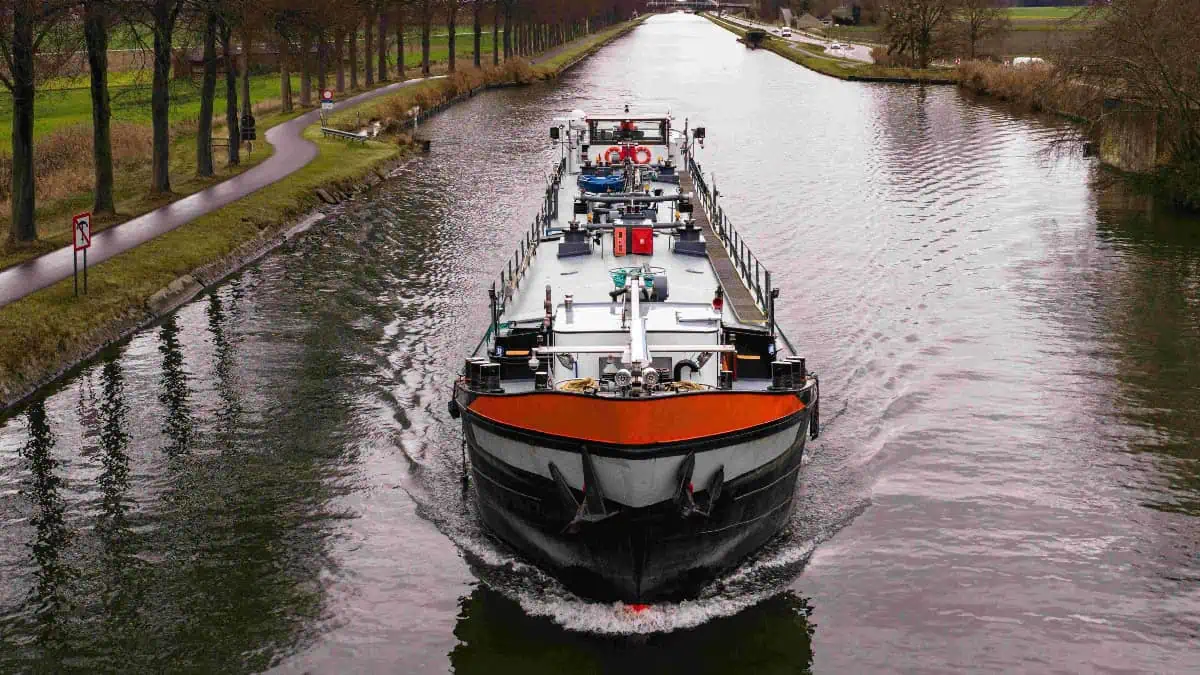
HGK Shipping, Europe’s largest inland waterway shipping company, is taking a major step to address the shortage of specialist workers in inland waterway transport. The company has become the first in the sector to receive a one-year test permit from De Vlaamse Waterweg (Flemish Waterways PLC) to remotely operate a hazardous goods vessel.
Under the permit, the vessel can be controlled from a Remote Operations Centre (ROC) located on the waterways east of Antwerp, with only one specially trained crew member required on board instead of the usual two skippers. The chemicals tanker, “Walcheren”, is also the first vessel operated by HGK Shipping, which will make use of the benefits of this innovative technology in the Flemish region of Belgium to allow an optimised crew size.
“Smarter use of personnel is the purpose of our efforts to introduce remote-controlled inland waterway shipping in order to address the serious shortage of specialist workers, which will become even more severe in future. The permit, which has now been issued in Flanders and makes it possible in certain types of operations to reduce the crew on board by one skipper, represents an enormously important step along this journey,” says Steffen Bauer, the CEO of the HGK Group and the CEO of HGK Shipping. “The permit issued for a hazardous goods vessel within our Wijgula fleet shows that the technology thoroughly convinced the authorities in terms of safety during previous test phases.”
Vessels were already being remotely controlled from the individual ROCs during phase 2 of the test operations, which HGK Shipping is implementing in the Netherlands and Germany too. However, the skippers prescribed in personnel regulations continued to remain on board during this transitional phase. This is no longer necessary on the designated route on the Flemish waterways, as the technology of the project partner, SEAFAR, has proven its operating reliability and compliance with statutory requirements.
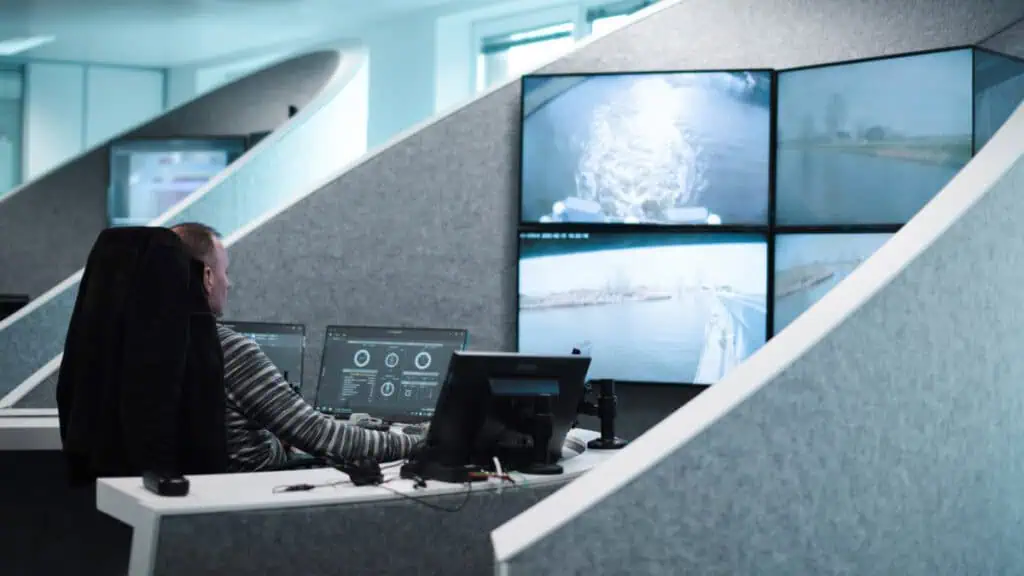
During phase 3, HGK Shipping only requires one skipper and one sailor instead of two skippers on board the “Walcheren” for the regulated, so-called “A2 navigation time” of 18 hours. The ROC operator, who has all the necessary qualifications, remotely controls the vessel for four hours, while the sailor monitors the vessel’s operations in the wheelhouse and the skipper on board can take his rest period. Introducing this scheme requires intensive training as well as close coordination between the project partners.
“The fact that the “Walcheren” in particular, a chemicals tanker, is our first vessel for phase 3, illustrates the high degree of reliability that the authorities in Flanders have attributed to this technology, even for sensitive types of cargo. Following successful phase 2 tests in the Netherlands and Germany, we’re also expecting to switch to operating vessels with optimised crew levels there too through close coordination with the responsible authorities,” says Steffen Bauer, emphasising his point, in the light of the company’s objectives.
Given the tangible shortage of specialist skippers and the goal of making this job description more attractive by using innovative digital solutions, HGK Shipping is consistently pressing ahead with developing remote controls for inland waterway vessels. The vessels recently put into service already have the necessary technology; if required, this will be gradually retrofitted on older models.