


Galați facility will bring engineering, electrical integration and pre-assembly under one coordinated framework
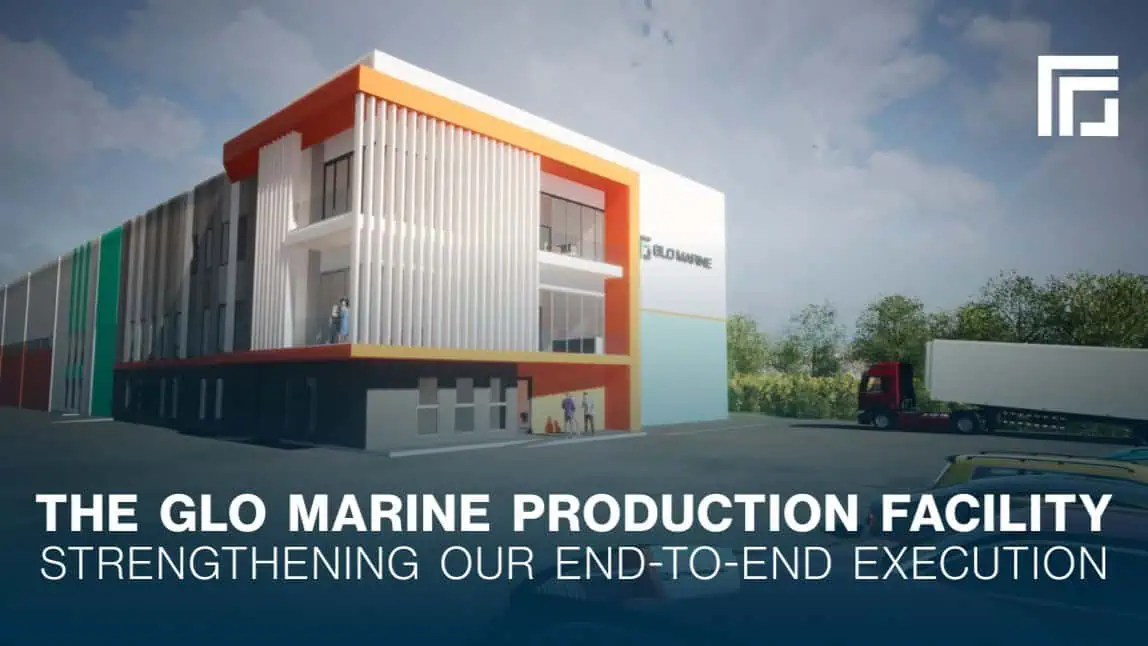
GLO MARINE has announced a €6 million investment in the development of a new integrated assembly and production facility in Galați, Romania, marking a major strategic milestone in the company’s long-term growth plan.
The new site represents more than a capacity expansion. It is a structural investment aimed at strengthening GLO MARINE’s integrated delivery model by bringing engineering, fabrication, electrical integration and system pre-assembly together within a single, coordinated production environment.
Construction of the facility is now underway, with completion scheduled by the end of the year. Production is expected to commence in February 2027.
The increasing complexity of vessel upgrades
Vessel upgrades are becoming more electrically driven and structurally interconnected. Decarbonisation initiatives and offshore mobilisation projects now require tighter coordination across disciplines, greater integration discipline, and more controlled execution windows.
In this environment, delivery models that rely on multiple external interfaces increase exposure to delays, cost escalation, and quality variability.
A more integrated execution structure enables improved coordination, stronger schedule control, and higher predictability — all critical factors for vessels operating in commercial service.
Aligning engineering and fabrication
The Galați facility will expand our ability to deliver integrated fabrication and pre-assembly across multiple disciplines, including:
- Fabrication of steel structures and secondary outfitting elements
- Piping systems and prefabricated spools
- Skids and modular mechanical assemblies
- Electrical panels and switchboards
- Prefabricated and pre-integrated hybridisation modules
- Integration-ready packages for advanced retrofit systems, including Air Lubrication Systems (ALS)
By aligning fabrication and electrical integration directly with our engineering teams, we strengthen control over technical interfaces, reduce onboard installation complexity, and improve schedule predictability — enhancing overall execution certainty across complex retrofit programs.