


Latest NewsDesign and Naval ArchitectsGriffon Hoverwork awarded design and feasibility work by Canadian Coast Guard

Griffon Hoverwork awarded design and feasibility work by Canadian Coast Guard

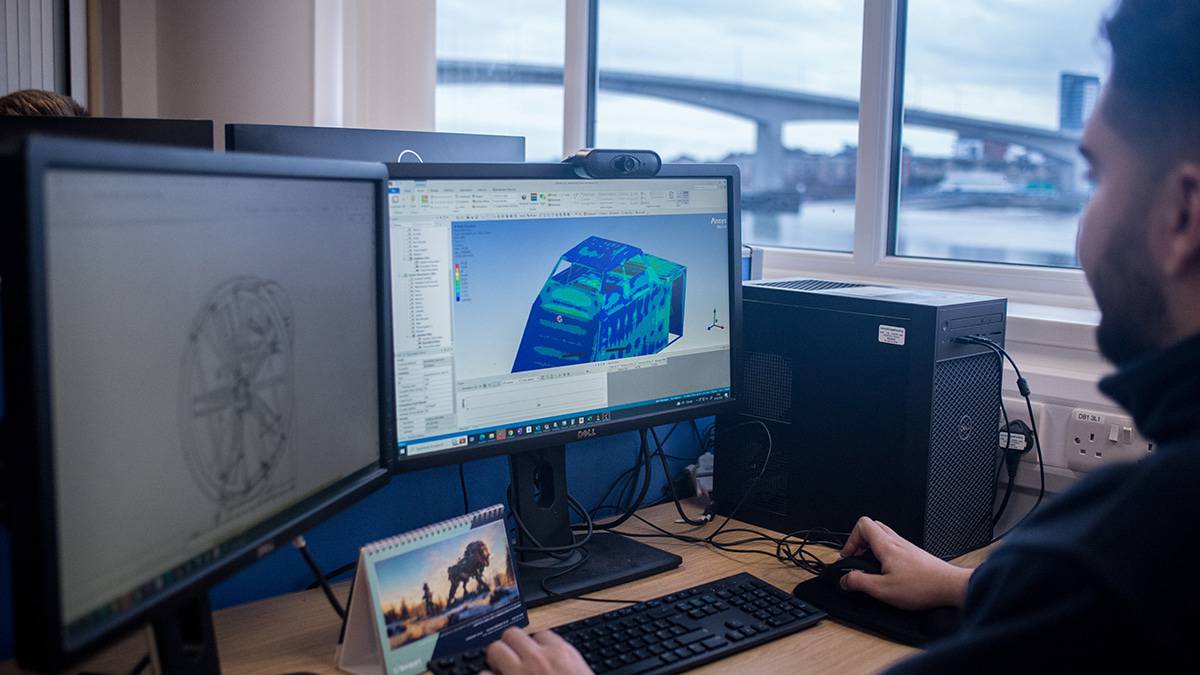
The Canadian Coast Guard (CCG) has asked for engineering design consultancy services from Griffon Hoverwork to update their current air cushion vehicle (ACV) design and to conduct feasibility studies into alternative power plant options.

The Canadian Coast Guard operates a fleet of four ACVs, which primarily support the CCG’s search & rescue, icebreaking and marine navigation services mandate in the central and western regions of Canada. Due to their aluminium build and icebreaking core duty in harsh environments, the ACVs have a relatively short in-service life expectancy and are ready to be replaced.

Mark Downer, Engineering Director at Griffon Hoverwork says “Griffon’s experience in ACVs is extensive, with a track record of our products operating in more than 45 countries and a pedigree stretching back seven decades. Over that time we have continually evolved our hovercraft, both in terms of upgrading existing models and introducing new designs.

We have also been working on alternative energy systems since 2014 when we designed a new electric drive system.  Subsequently we’ve integrated similar systems into a number of other marine vessel designs and collaborated with leaders in the supply of zero emissions technology to develop 100% battery power and hydrogen powered vessels.

We are delighted to be able to bring this expertise and experience to the next exciting phase of ACV operations for the Canadian Coast Guard.”

The contract requirements are split into several phases, the first of which is a feasibility study to determine the most suitable future fuel for the CCG’s next generation of ACVs to comply with International Maritime Organization (IMO) 2050 Zero emission of greenhouse gases, and to assess the impact this will have on the craft performance, structure and systems in both the short term and long term   The results of this feasibility study will determine the direction of further design considerations of a complete craft proposal.

The Canadian Coast Guard stated “Griffon Hoverwork is the only known supplier capable of performing the design work and feasibility studies on the only known compatible ACV design.”


Latest News

MED MARINE has completed the construction and delivery of two RAmparts 2500-W harbour tugs, MED İskenderun and MED Ceyhan, as part of its ongoing fleet investment programme. Built at EREGLI SHIPYARD, the sister vessels have joined the YAKAMOZ fleet, established through the partnership between MED MARINE and MARIN TUG, and have now entered operational service.

MED MARINE New Tugs for YAKAMOZ Joint Venture

MED İskenderun and MED Ceyhan strengthen YAKAMOZ fleet with additional towing and ship-handling capacity MED MARINE has completed the construction and delivery of two RAmparts...
Inmarsat Maritime, a Viasat company, has launched a new Maritime Safety Data Hub, giving the maritime industry access to data-driven insights into the risks shaping global shipping. The new platform combines three years of Global Maritime Distress and Safety System (GMDSS) data with an industry-first analysis of 106,975 maritime safety broadcasts transmitted in 2025.

Inmarsat Maritime Launches Maritime Safety Data Hub

Industry-first analysis combines three years of GMDSS distress call data with almost 107,000 maritime safety broadcasts, revealing how extreme weather, operational pressures and geopolitical...
LD Armateurs has reached another milestone in the development of its offshore wind service fleet with the launch of Wind of Ocean, the first of two next-generation Service Operation Vessels (SOVs) being built for Vattenfall. The vessel was launched on August 30 at ZPMC shipyard in China, following the keel-laying ceremony earlier this year. The launch moves Wind of Ocean into the next stage of construction, with outfitting, systems integration and sea trials now planned ahead of scheduled delivery in 2027.

LD Armateurs Launches Wind of Ocean SOV

Wind of Ocean will support operations and maintenance activities across Vattenfall’s North Sea wind farms LD Armateurs has launched Wind of Ocean, the first of...
Rolls-Royce Power Systems is expanding its mtu marine propulsion portfolio with a new exhaust gas after-treatment system for Series 2000 engines, designed to meet stringent IMO Tier III emission requirements. The new system is being certified in collaboration with exhaust gas after-treatment specialist Eminox for Series 2000 mtu engines.

Rolls-Royce unveils Tier III emissions solution for mtu Series 2000

New integrated SCR system enables mtu Series 2000-powered vessels to meet IMO Tier III emissions requirements Rolls-Royce Power Systems is expanding its mtu marine propulsion...

Related news