


Real-time fuel pressure monitoring enables earlier fault detection, proactive maintenance and improved operational continuity
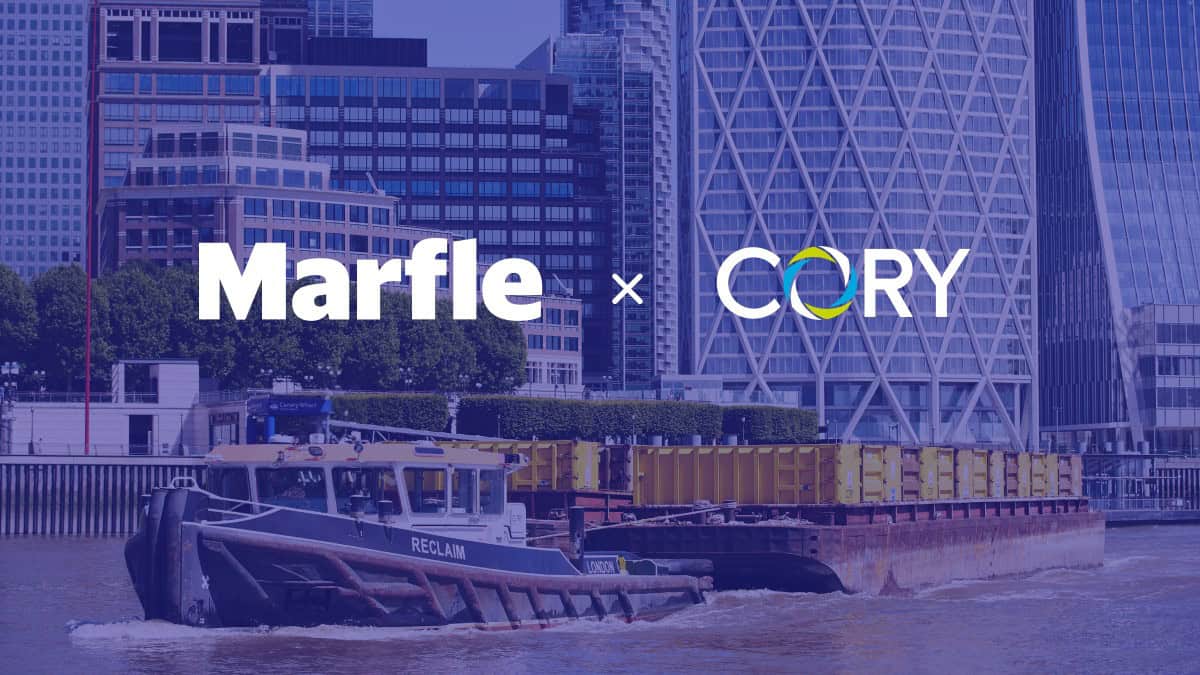
Cory Group has deployed Marfle Fleet Analytics and its Low Fuel Pressure Alert across its fleet of six tugs operating on the River Thames, helping engineering teams detect developing fuel system issues earlier, improve maintenance planning and reduce the risk of unexpected engine failures.
Operating in one of the world’s busiest tidal waterways, Cory Group’s tugs play a critical role in supporting the company’s waste logistics services, where vessel availability and reliability are essential. Even relatively minor fuel system issues can quickly escalate into reduced engine performance, unplanned downtime and potential safety risks if left undetected.
Detecting Fuel Filter Issues Before Failure
Navigating one of the world’s busiest tidal waterways exposes Cory Group’s fleet to increased fuel contamination and particle ingress, common causes of fuel filter clogging in marine engines. Clogged filters could gradually reduce fuel pressure, and in critical situations, engines could run at reduced power or stop completely during towing.
The challenge was not replacing filters, but knowing when intervention was needed before performance became compromised. Without real-time monitoring, developing filter issues were difficult to distinguish from normal fluctuations, and by the time crews noticed a problem, it had often already worsened.
Cory Group needed a way to identify the early signs of fuel system deterioration before they led to operational failures.
Implementing Marfle’s Low Fuel Pressure Alert
Cory Group deployed Marfle’s Low Fuel Pressure Alert, integrated within Marfle Fleet Analytics, across its six tugs. The feature continuously monitors fuel system pressure in real time and alerts engineering teams when pressure drops below a configured threshold for an extended period, a key indicator of developing fuel filter blockage.
Unlike conventional alarms, which often generate excessive notifications from temporary fluctuations, Marfle’s alert logic focuses on sustained operational trends rather than short-term transients, ensuring engineering teams receive actionable alerts rather than unnecessary noise.
Configured Operational Parameters
To align with Cory Group’s operational requirements, the system was configured with:
- Minimum sustained duration:
Low pressure must persist for 600 seconds (10 minutes) before an alert is triggered. - Pressure threshold:
Warning threshold configured at 3.5 bar to identify potential fuel supply risks early. - Alert cooldown period:
A 300-second cooldown between alerts reduces notification fatigue whilst maintaining situational awareness.
This allows maintenance teams to intervene early and schedule maintenance before vessel performance is affected.
From Reactive Maintenance to Predictive Fleet Management
Since deployment, Marfle’s Low Fuel Pressure Alert has become an integral part of Cory Group’s maintenance workflow. Maxim Yanvarev, Marine Engineering Manager, uses the platform to monitor fuel system performance across the entire fleet from a single dashboard.
On multiple occasions, early warnings have enabled maintenance teams to replace clogged filters before they caused operational disruption or a loss of engine performance.
The platform’s value has extended beyond fuel pressure alone. When an engine shutdown was triggered by suspected overheating, a review of Marfle’s data showed the overheating could not be confirmed. On another occasion, an onboard alarm reported overheating, but Marfle’s monitoring showed the engine operating within its normal temperature range, allowing the crew to avoid an unnecessary halt to operations and continue services without disruption.
Instead of reacting to failures under operational pressure, Cory Group can now address developing issues proactively, under controlled conditions, with confidence in the data behind every alert.
Operational Results
Preventing Unplanned Engine Breakdowns
By identifying fuel pressure issues early, Cory Group has prevented several incidents from escalating into critical engine problems. Filters are now replaced proactively, before performance is affected, keeping vessels operational during demanding schedules.
Improving Fleet Reliability
Continuous fuel pressure monitoring gives engineering teams greater visibility into vessel health across the fleet, supporting more reliable operations and reducing the uncertainty of reactive maintenance.
Supporting Planned Maintenance
Marfle enables Cory Group to move from reactive to planned, predictive maintenance, scheduling engineering interventions at the right time and reducing operational disruption, maintenance pressure and the need for emergency response.
Fleet-Wide Operational Visibility
With all six tugs monitored through a single centralised platform, Cory Group maintains continuous visibility of fleet performance and emerging maintenance risks.
No vessel operates without oversight.
Why Real-Time Fleet Monitoring Matters in Modern Maritime Operations
As harbour operations become increasingly demanding, tug operators face growing pressure to maximise vessel availability while maintaining safety and efficiency. Traditional maintenance, based on manual inspection or delayed fault detection, often leaves engineering teams reacting to problems only after performance has been affected.
Real-time vessel monitoring changes that dynamic. By combining operational data with intelligent alert systems, fleet operators can detect issues early, reduce unplanned downtime, and improve maintenance decision-making across the fleet.
For operators working in demanding maritime environments, predictive maintenance is no longer just a technical advantage; it is becoming an operational requirement.
Interested in improving your fleet reliability?
Our team would be pleased to answer your questions, understand your operational goals and recommend the fleet analytics package that best suits your needs.