EST-Floattech, a leading provider of high-performance energy storage solutions, announces its collaboration with Wight Shipyard Co. They will install the Octopus Battery systems on two vessels, the “Mars Clipper” and Cross River Ferry, for Thames Clippers.
Wight Shipyard, UK’s leading aluminium shipbuilder, has selected EST-Floattech’s Octopus Series for its exceptional energy efficiency and reliability. The decision underscores Wight Shipyards’ commitment to sustainable technology for the maritime sector. Wight Shipyard specialises in high speed ferries, retrofits, and planned maintenance of vessels and is located on the Isle of Wight. The ferries will become part of the fleet for Uber Boat by Thames Clippers.
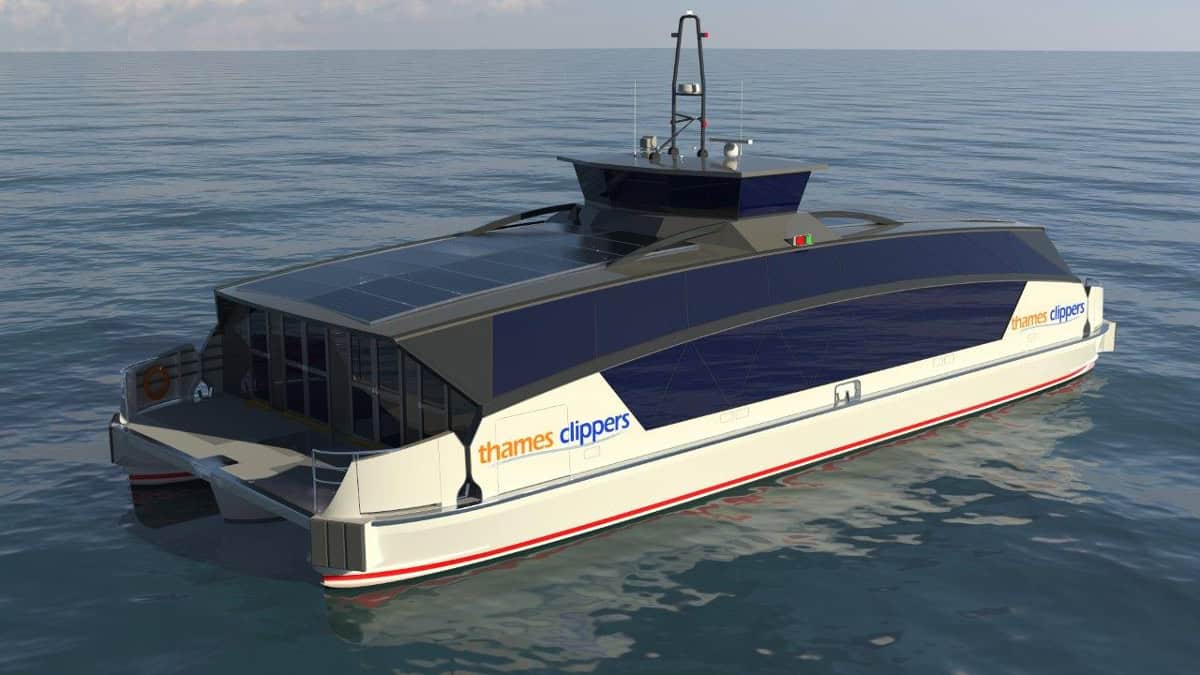
“Mars Clipper”
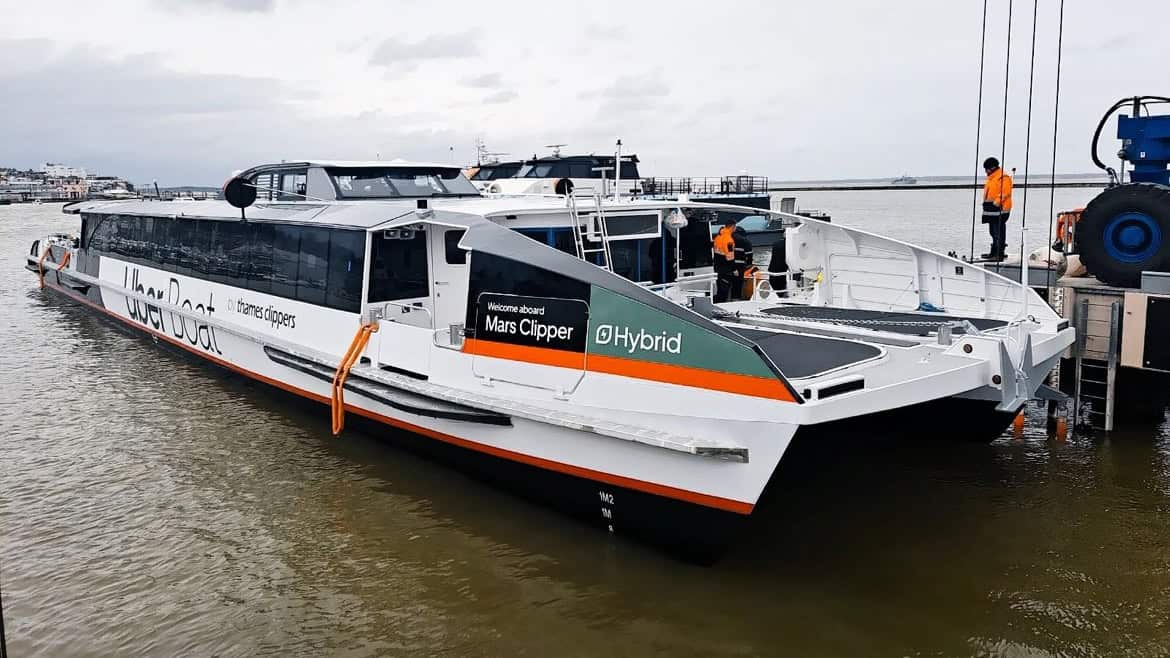
The “Mars Clipper” is a high-speed passenger catamaran ferry. This ferry, part of Uber Boat by Thames Clippers, will have 480 kWh of High Energy batteries on board. The vessel has a hybrid design, which allows the “Mars Clipper” to operate solely on batteries on the Thames, in the most central zone of the city. This is between the Tower Bridge and the Battersea Power Station piers. The technology is not reliant on shore-based charging, with the new boats using excess power from the bio-fuel engines to re-charge their batteries for the Central London stretch.
Cross River Ferry
The Cross River Ferry, will be supplied with 960 kWh of the Octopus Series battery system.
Uber Boat by Thames Clippers have been operating a cross river ferry service for over 20 years. The current infrastructure is reaching end of life and creates an opportunity to develop and operate an enhanced all electric, zero emission, roll-on/roll-off ferry replacement. This will allow automated docking to reduce journey times and an increased capacity on the craft for foot and cycle passengers. Thanks to the Octopus Series battery system, the vessel will sail quietly over the Thames and will be some of the most quiet vessels ever seen in the passenger boat industry.
Both energy storage solutions from EST-Floattech will not only limit emissions but also limit exhaust fumes during the routes of these commuter services in London.
Jelle Meindertsma, Sales Manager at EST-Floattech, stated about these projects, “This collaboration with Wight Shipyard is another milestone towards zero-emission sailing for the maritime industry. The application of our battery system onboard the Cross River Ferry and “Mars Clipper” also shows the potential of the Octopus Series energy storage solution in low-weight vessels and contributes to no fumes in densely populated areas. We would like to thank all parties involved: of course Wight Shipyard for their trust in EST-Floattech, but also like to mention electrical consultancy company SEC-Marine for their involvement and pleasant cooperation. The result of these joint efforts is a ship we can all be proud of. We are confident that the ship will be a valuable addition and will have many successful voyages.“