



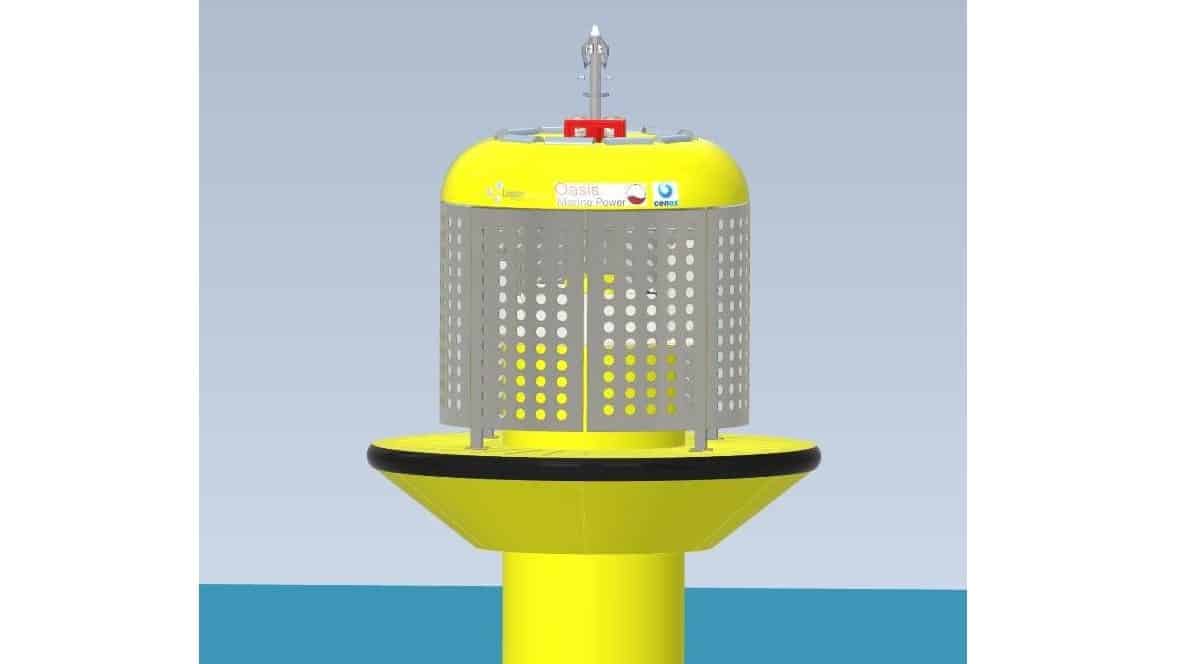
A study has proved that a Hydrogen Offshore Transfer System can be built and operated safely, offering transformational opportunities towards decarbonisation. A consortium comprising of industry experts Jebb Smith Ltd, Logan Energy, and Cenex looked at developing an efficient and safe Hydrogen Offshore Transfer System (HOTS). The demonstration of this infrastructure would aid the development of hydrogen-powered vessels, the creation of green hydrogen generated by offshore wind, and how hydrogen can be transported.
The project adapted existing onshore hydrogen refuelling technology for the offshore environment. The consortium conducted a detailed review into the technical and economic feasibility of transferring hydrogen offshore which led to a conceptual HOTS design. Any safety and technological risks have been identified and addressed by engineering solutions or operational procedures.
This initial HOTS design uses gaseous hydrogen and is appropriate for refuelling small to medium sized vessels, but most likely in combination with other fuels. The conceptual design could commercially become the Oasis Hydrogen Buoy, an adaption of an offshore electric charging buoy currently in development by Jebb Smith Ltd.
“Hydrogen has been emerging as a possible green future fuel, although considerable infrastructure developments will be required to facilitate this. Our findings demonstrate that a solution is achievable and can further the development of hydrogen as a component for renewable energy opportunities. This is a great step in the development of zero emission technology with potential to accelerate decarbonisation. Thanks to our partners at Logan and Cenex for their invaluable work on this project.”
George Smith, Managing Director at Jebb Smith Ltd
“Hydrogen energy has a vital part to play in the decarbonisation of our transport sector, both on land and at sea. A recent study shows that Maritime transport emits around 940 million tonnes of CO2 annually. Refuelling vessels using clean hydrogen energy generated by offshore wind has tremendous potential to help reduce these emissions.
Developing infrastructure with initiatives like HOTS is key if we are to see success.
“Collaborations across industry, such as this partnership, are crucial to driving real and meaningful change to our environment. We must continue to innovate and develop new solutions together to help meet our net zero goals. We cannot be too ambitious in this regard.”
Bill Ireland, CEO at Logan Energy
“As we aim to transition to a net zero economy, hydrogen is emerging as a key fuel of the future. This key piece of maritime infrastructure will support the development of hydrogen powered vessels, the creation of green hydrogen offshore, and the transporting of hydrogen in the maritime environment.
“We expect the HOTS system to be an integral part of zero-emission shipping in the future and look forward to the next steps in its development.”
Nick McCarthy, Technical Specialist at Cenex
The HOTS project was awarded funding as part of the Clean Maritime Demonstration Competition, funded by the Department of Transport, and delivered in partnership with Innovate UK.








. The demonstration of this infrastructure would aid the development of hydrogen-powered vessels, the creation of green hydrogen generated by offshore wind, and how hydrogen can be transported. The project adapted existing onshore hydrogen refuelling technology for the offshore environment. The consortium conducted a detailed review into the technical and economic feasibility of transferring hydrogen offshore which led to a conceptual HOTS design. Any safety and technological risks have been identified and addressed by engineering solutions or operational procedures.)