Kongsberg Maritime has signed a contract with Holland Shipyards Group to provide electrification and control systems with automated functionalities for up to four new all-electric ferries for the Swedish Transport Administration, with two firm for delivery and an option for two more.
To achieve the dual objectives of electrification and automation, Kongsberg Maritime will provide the ferries’ electrical systems, as well as a comprehensive control system suite, including energy management, navigation, an all-new situational awareness system linked with automated manoeuvring.
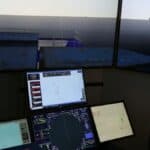
Together with the general automation of all onboard systems and essential port equipment like charging and mooring, Kongsberg Maritime will also deliver the technology for the remote monitoring and operation centre in Stockholm, and secure communication between ferries, ports, and the control centre. A simulator with 360-degree visuals from Kongsberg Digital is also part of the delivery, enabling the ferry company to train their crew in new operational procedures.
“We will deliver the ferries turn-key to Sweden, including shore charging and auto-mooring. These vessels mark a new step forward for Holland Shipyards Group and the ferry market in general,” states Marco Hoogendoorn, Director, Holland Shipyards Group. “Not many yards have experience with delivery of a complete electrical sailing scope, including shore infrastructure. An innovative contract like this one really is recognition of our past performances.”
Swedish Road Ferries, part of the Swedish Transport Administration, has exclusive rights to operate ferries that connect the national road network.
“This development confirms our view that coastal traffic – and ferries in particular – will be the first ship types to adopt autonomous operations,” said Roger Trinterud, Sales Director, Kongsberg Maritime.
“This project will also further build on the work we have done on Yara Birkeland, a zero-emissions container-feeder vessel, and the fully autonomous freight ferries for Norwegian grocery distributor Asko,” said Hans Westad, Portfolio Manager, Autonomous and Remote Projects, Kongsberg Maritime.
The challenges in automating the operations of these ferries include the short routes and the presence of significant on-water traffic, including pleasure boats and occasional ice. According to Erik Froste, CEO of Swedish Road Ferries, these state-of-the-art ferries are good for the environment and increasing safety at sea.
A 12-month test period is planned after delivery to further develop and fine-tune automated functionalities, and to demonstrate the ferries’ capabilities to Swedish authorities.