Expanded 33m Supa-SWATH CTV platform enhances payload, endurance and offshore transfer capability
Walker Marine Design and Mainprize Offshore announce the launch of the latest design from their successful joint venture: a new 33m Supa-SWATH Crew Transfer Vessel (CTV), developed to meet the evolving demands of the offshore wind sector.
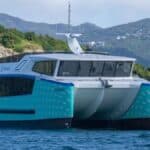
Originally designed in 2015, with tank testing completed in 2017 at Haslar Ocean Basin, this unique semi-SWATH design has become a world leader in the crew transfer vessel market, with eight 26-metre vessels in operation and a further six under construction at Strategic Marine. Now in its second iteration with improved hull lines resulting in lower resistance, the Supa-SWATH design offers unparalleled seakeeping coupled with high transfer capabilities.
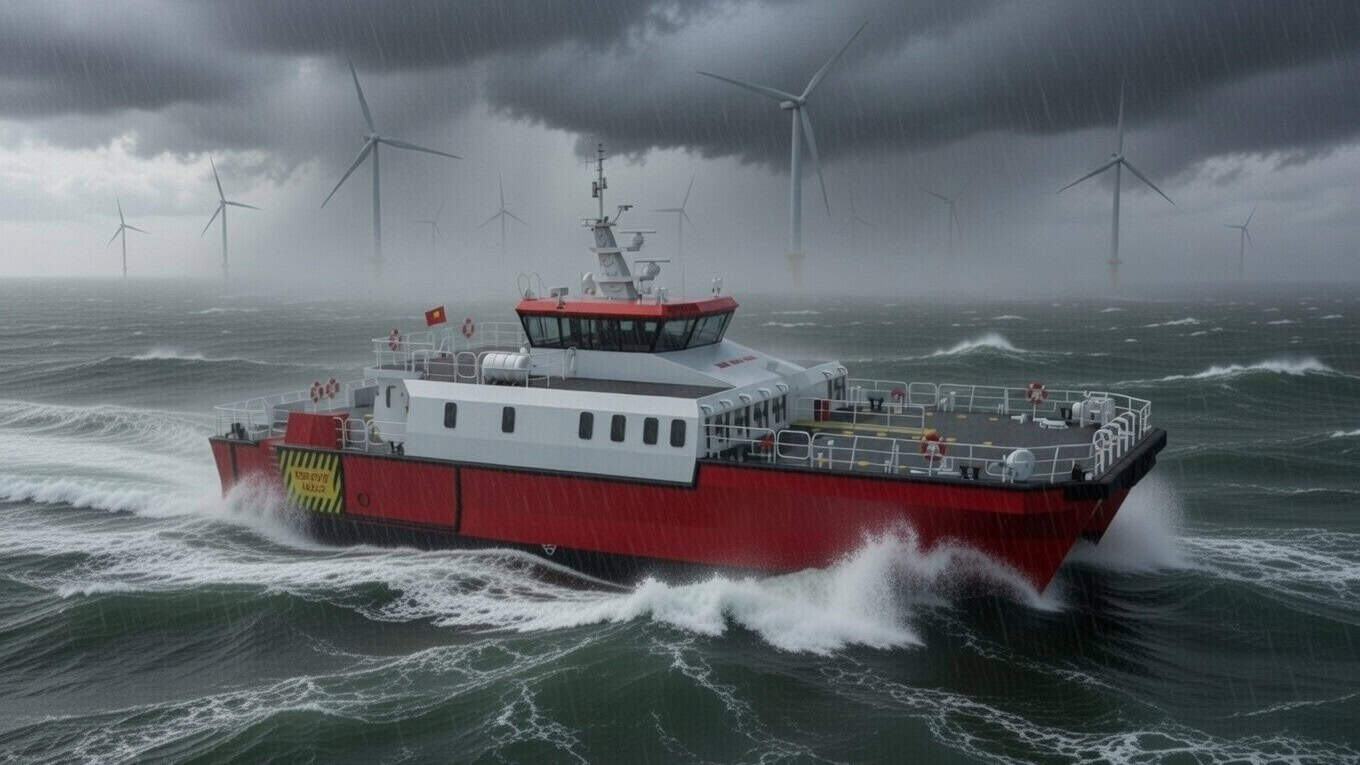
The newly unveiled 33-metre design builds upon this strong reputation, introducing expanded features that include six cabins, a dedicated crew mess area, a dedicated changing room, and luxury passenger seating for up to 36 industrial personnel. Featuring an increased length of 33 metres and a 13-metre beam, this design will further enhance the seakeeping capability of this unique hull form while significantly increasing carrying capacity to accommodate 63,800 litres of fuel oil, 20,100 litres of fresh water, and 50 tonnes of deck cargo.
James Walker, Principal Naval Architect at Walker Marine Design, comments, “The innovative Supa-SWATH CTV design has developed hugely from the first-in-class MO5 built in 2018. With 14 Supa-SWATH vessels built to this design and over £3m spent on R&D over the last 11 years, this new, larger design will increase the operational profile of this vessel range even further.”
Bob Mainprize, Managing Director at Mainprize Offshore, adds, “This 33-metre CTV will perfectly complement our existing range of vessels. It offers our clients an all-in-one offshore platform with improved seakeeping, advanced transfer capabilities, enhanced welfare spaces, and increased carrying capacity. Each of our new-builds is refined to suit our clients’ finite requirements, from storage options and internal layouts to cargo arrangements.”
Vessel Key design features include:
- Length: 33 metres
- Beam: 13 metres
- Fuel Oil Capacity: 63,800 litres
- Fresh Water Capacity: 20,100 litres
- Deck cargo capacity: 50 tonnes
- Main Engines: 2 x Caterpillar C32B
- Propulsion: 2 x 4 Blade CPP
- Maximum speed: 30 knots
The first two vessels of this new class are currently under construction and are scheduled for completion in 2027.