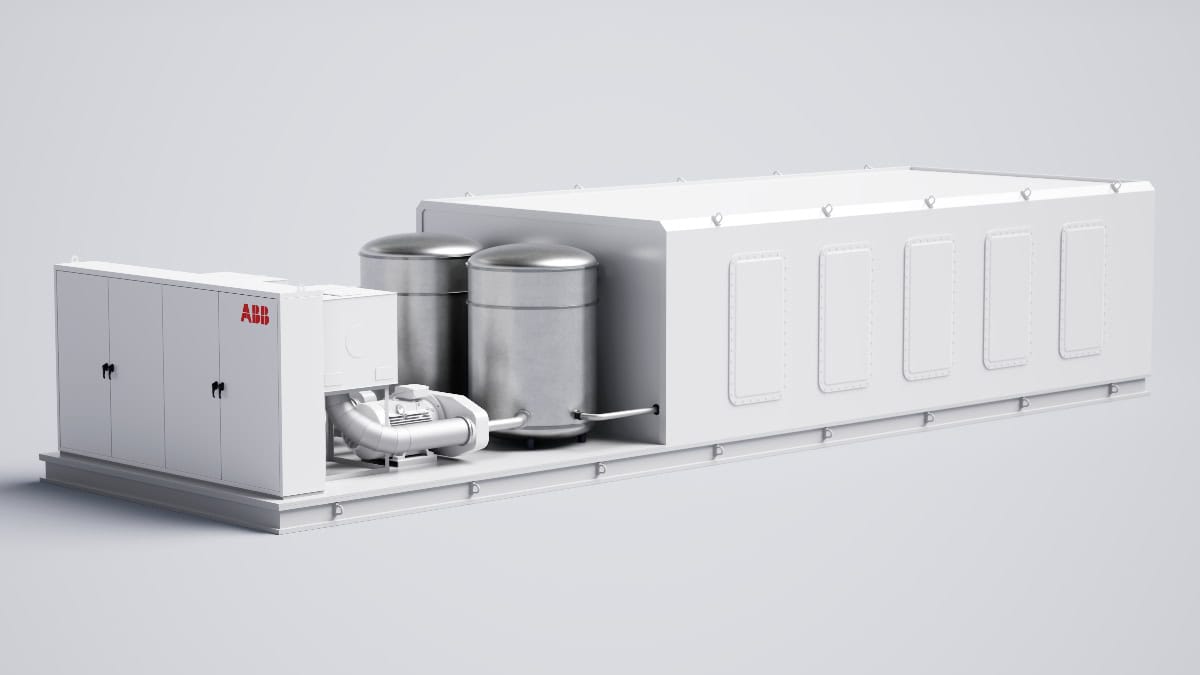
ABB and HDF Energy sign a joint development agreement to advance a high-power fuel cell system for marine applications. The collaboration aims to enable megawatt-scale hydrogen fuel cell installations across a range of vessel types, including large seagoing ships such as container feeder vessels and liquefied hydrogen carriers. The agreement builds on a memorandum of understanding signed by the two companies in 2020, envisaging the collaboration.
Foreseeing pilot installations in 2028–2029 and serial production from 2030, the agreement initiates a significant step forward for developing fuel cells as a commercially viable option to support maritime decarbonisation.
The collaboration combines ABB’s system integration expertise with HDF’s unique capabilities in designing and producing large fuel cell units. France-based HDF will provide the fuel cell technology, while ABB will supply power converters, power management, and electrical and control integration, with the two parties collaborating on specifications, conceptual design, and commercial opportunities.
The high-power fuel cell unit will enable reducing maritime emissions by facilitating the construction of large hydrogen-electric vessels and allowing diesel auxiliary gensets to be replaced with hydrogen fuel cell units on board existing ships. Where the fuel cells utilise a carbon-neutral fuel such as green hydrogen, the decarbonisation impact will be particularly significant.
ABB’s Onboard DC Grid™ power system will ensure the unit can be integrated seamlessly with other power sources and subsystems such as battery energy storage, where the fuel cells will maximise the operational range and flexibility of the hybrid power system. The unit also has the potential to accelerate marine electrification as an auxiliary power source for shore-power and -charging infrastructure in ports, supporting peak power demands when grid capacity is limited.
“We at HDF are very excited to combine our fuel cell knowledge with ABB’s marine systems integration expertise to provide a practical means of decarbonising the maritime industry,” said Hanane El Hamraoui, CEO of HDF Energy.
“ABB and HDF have been collaborating for several years, making significant progress toward a viable solution for decarbonising larger vessels,” said Rune Braastad, President, ABB’s Marine & Ports division. “We at ABB remain fully committed to developing technologies that accelerate maritime decarbonisation, and this new agreement with HDF reflects another important step forward.”