





Boskalis through its subsidiary SMIT Salvage has reached an agreement with the United Nations Development Programme (UNDP) for the oil removal from the FSO Safer moored off Yemen’s Red Sea coast. This project is a part of the UN-coordinated operation to remove and transfer more than one million barrels of oil from a decaying tanker into a safe modern tanker and the responsible disposal of the Safer.
Peter Berdowski, CEO Boskalis, “We have been assisting the UN in their endeavors to avert a potential massive environmental and humanitarian disaster off the coast of Yemen since 2021. We are extremely delighted that these efforts and the perseverance of the UN to raise the necessary funds has brought us to this agreement. Following a long planning period, our salvage experts are keen to get to work and to remove the oil from the Safer.
I would like to express my admiration and gratitude to the many UN member states supporting this operation including the Netherlands, which played a prominent role. The Boskalis vessel Ndeavor will depart tomorrow from the port of Rotterdam stocked with all the necessary salvage equipment and I wish the crew all the success in this important mission.””
Liesje Schreinemacher, Dutch Minister for Foreign Trade and Development Cooperation: “An enormous oil disaster is looming, which could have serious humanitarian, environmental and economic implications. But we now have a chance to prevent that disaster. The Netherlands has worked hard to mobilize funds for the operation and now a major new step has been taken. It’s good that Dutch firm Boskalis is taking on a key role in the response. The Netherlands will continue helping the UN to bring this to a good end.”
“The agreement today between UNDP and Boskalis subsidiary SMIT Salvage, to deploy a team of leading experts aboard the Ndeavour marks another critical milestone of the ‘Stop Red Sea Spill’ operation to transfer oil from the decaying FSO Safer to a safe temporary vessel,” said Achim Steiner, UNDP Administrator. “We look forward to be working with Boskalis and other leading experts to prevent a humanitarian, environmental and economic disaster. We also appeal to leaders from governments and corporations to step forward and help us raise the remaining $29 million required to complete this complex rescue operation.”
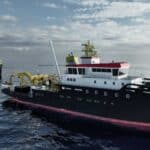
The project scope for Boskalis consists of a number of phases. The Boskalis multipurpose support vessel Ndeavor has been prepared in the Netherlands and will sail to Djibouti over the coming three weeks. The salvage crew will make the final preparations in Djibouti before departing for the Safer located off the coast of Yemen. The initial onsite phase will focus on a thorough inspection of the vessel, its cargo and creating a safe working environment. Once the vessel and its cargo tanks are declared safe, a UN purchased Very Large Crude Carrier (VLCC) will come alongside at which point the ship-to-ship oil pumping operation can commence. The tanks of the Safer will subsequently be cleaned and the residual water will also be transferred into the VLCC. The entire onsite operation is expected to be completed within two months. Once the Safer is declared clean and empty, it will be prepared for towing to a green scrapping yard under the responsibility of the UN.
About the FSO Safer
The Safer is a Floating Storage and Offloading (FSO) facility moored approximately 9 kilometers off the Red Sea coast of Yemen and 50 kilometres northeast of the port of Hodeida. Constructed in 1976 as an oil tanker and converted in 1987 to be a floating storage facility, the Safer is single-hulled and is believed to contain an estimated 1.14 million barrels of light crude oil. The FSO has not been maintained since 2015 because of the conflict in Yemen, and it has decayed to the point where there is a risk it could explode or break apart, which would have disastrous environmental and humanitarian effects on the region.










 for the oil removal from the FSO Safer moored off Yemen’s Red Sea coast. This project is a part of the UN-coordinated operation to remove and transfer more than one million barrels of oil from a decaying tanker into a safe modern tanker and the responsible disposal of the Safer. Peter Berdowski, CEO Boskalis, “We have been assisting the UN in their endeavours to avert a potential massive environmental and humanitarian disaster off the coast of Yemen since 2021. We are extremely delighted that these efforts and the perseverance of the UN to raise the necessary funds has brought us to this agreement. Following a long planning period, our salvage experts are keen to get to work and to remove the oil from the Safer. I would like to express my admiration and gratitude to the many UN member states supporting this operation including the Netherlands, which played a prominent role. The Boskalis vessel Ndeavor will depart tomorrow from the port of Rotterdam stocked with all the necessary salvage equipment and I wish the crew all the success in this important mission.”)