



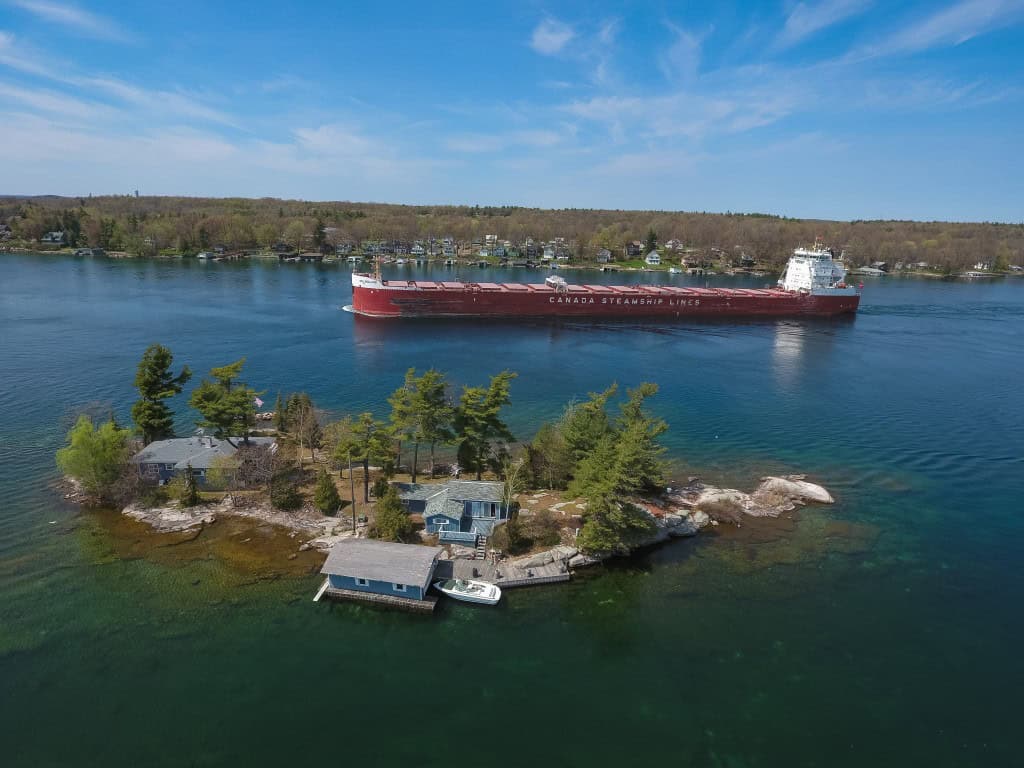
In late November 2021, global shipowner, The CSL Group (“CSL”), successfully completed the world’s longest-running trials of B100 biodiesel on marine engines, accumulating nearly 30,000 running hours. Conducted on half of CSL’s Canadian fleet, the tests resulted in a 23% total fleet life cycle reduction of CO2 as compared to marine gas oil (MGO).
During the trials, conducted in partnership with Canada Clean Fuels and with the collaboration of Sterling Fuels, 14,000 tonnes of MGO, a fossil fuel, was substituted for 100% bio-content second-generation biofuel, requiring no modification to existing ship equipment.
“Reducing the carbon footprint of our fleet is a strategic imperative at CSL and these trials clearly demonstrate the viability of biodiesel as a practical and effective option to drastically reduce our GHG emissions,” said Louis Martel, CSL’s President and CEO.
“Our test results confirm the potential of biodiesel as a realistic and immediate alternative to fossil fuel that holds great potential to support the decarbonization of the marine transportation sector in Canada and throughout the world.
We encourage the International Marine Organization, the Government of Canada and governments around the world to recognize the credible impact of biofuels as an interim solution in reducing emissions, and to support and implement a cost-competitive framework that promotes its use and secures supply.”
CSL’s biofuel trials were conducted on eight ships over a period of six months under a Transport Canada testing protocol. The B100 biodiesel was tested on main and auxiliary engines and required no modification to existing equipment. Sourced in North America, the biofuel used was produced entirely from waste plant material. Emissions reductions were calculated through the Canadian government life cycle emission tool GHGenius.
“Biofuel is one of many decarbonization strategies we are exploring at CSL,” added Mr. Martel. “As we closely monitor the development of alternative fuels and continue to invest in R&D and innovative digital solutions, we are confident the use of biodiesel can speed up decarbonization in the marine transportation sector by offering immediate and significant carbon reductions.”
The CSL Group is the largest owner and operator of self-unloading ships in the world. Headquartered in Montreal with divisions operating throughout the Americas, Australia, Europe and Asia, CSL delivers more than 70 million tonnes of cargo annually for customers in the construction, steel, energy and agri-food sectors.








, successfully completed the world's longest-running trials of B100 biodiesel on marine engines, accumulating nearly 30,000 running hours. Conducted on half of CSL's Canadian fleet, the tests resulted in a 23% total fleet life cycle reduction of CO2 as compared to marine gas oil (MGO). During the trials, conducted in partnership with Canada Clean Fuels and with the collaboration of Sterling Fuels, 14,000 tonnes of MGO, a fossil fuel, was substituted for 100% bio-content second-generation biofuel, requiring no modification to existing ship equipment.)