HEMEXPO – the Hellenic Marine Equipment Manufacturers and Exporters – has been at the heart of building a recognised international position of excellence for Greek maritime technology specialists since the organisation was established in 2014.
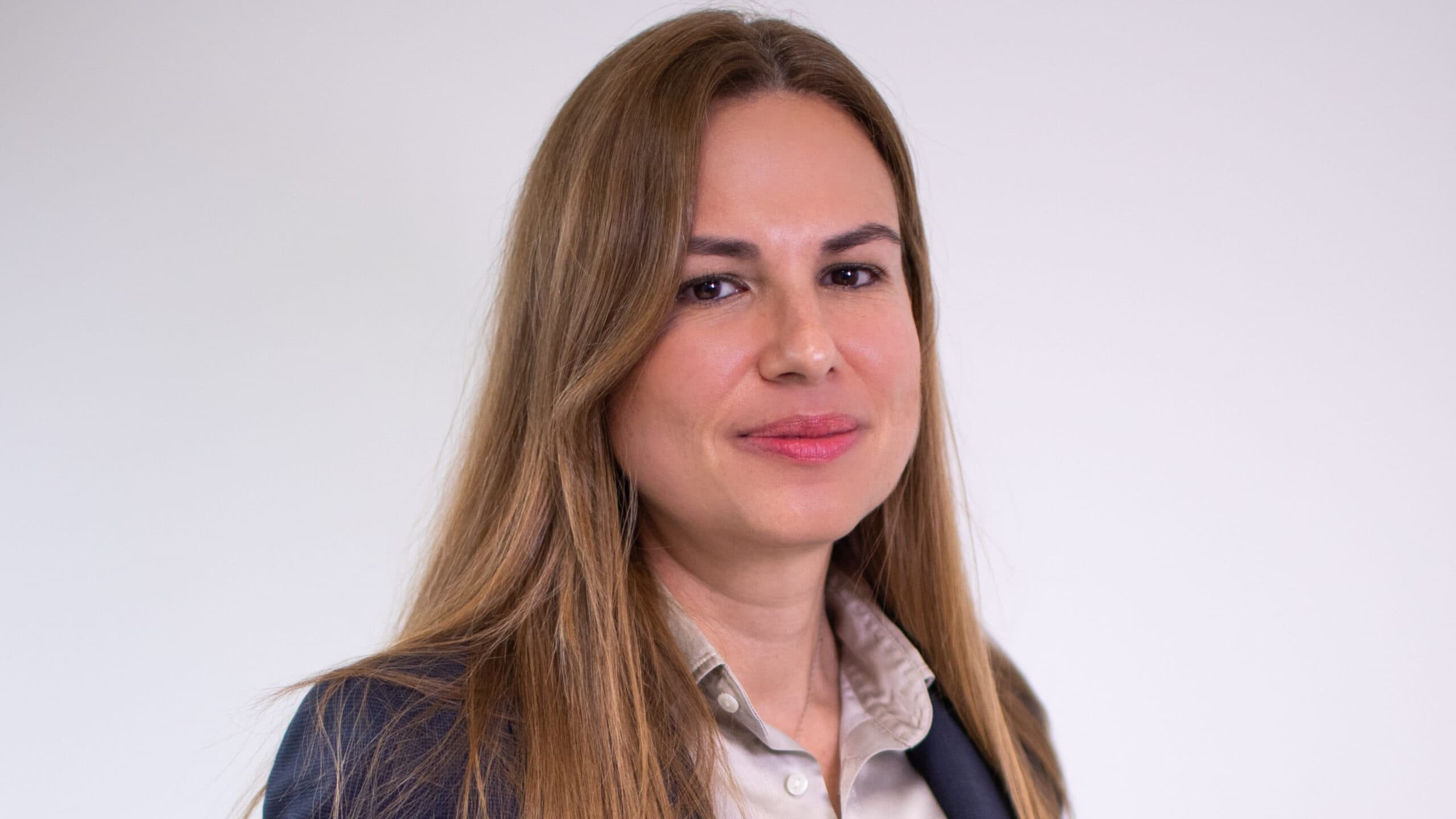
Fresh from 10th year anniversary celebrations at this year’s POSIDONIA, HEMEXPO President, Eleni Polychronopoulou says that one measure of its attractions has been the rise in member numbers from an initial dozen companies to 32 today. Over the same decade, the combined annual turnover of collective association members has grown tenfold, from $40m on launch to $400m, she says.
Polychronopoulou, who has led the organisation since its launch, says Greece’s maritime manufacturers have “walked the talk” along a “hard road”, so that the group could become one of the leading European maritime exporter associations.
“We are proud to have achieved this growth, but now we need to work with the Greek Government within a more institutional framework to create a co-operative infrastructure for the development of digital and green technologies,” she says.
HEMEXPO came together to represent the interests of Greek maritime makers and exporters with Asia’s huge shipbuilding groups. Polychronopoulou traces its origins to Greece’s struggles following the economic crisis of 2008, and the desire of major Greek shipowners, Captain Panagiotis Tsakos and Simeon Palios of Diana Shipping, to utilise Greek equipment on the ships they were ordering in South Korea,
“Selling equipment to shipyards is not an easy business,” says Polychronopoulou. “It is not like selling to a factory, and there is a need for a worldwide after-sales network able to supply spare parts 24/7.”
HEMEXPO has been central to setting up a network of agents and pioneering partnerships with local suppliers to ensure Greek maritime manufacturers have an international presence.
Today, equipment supplied by its member companies is installed on the vast majority of Greek owned vessels which, as the world’s biggest shipowning nation, represent a significant proportion of the global fleet.
HEMEXPO has attended more than 30 major shipping exhibitions and been involved in at least ten export missions as it has expanded its influence.
These engagements, and developments in global shipping have necessarily led HEMEXPO to evolve its areas of focus over the last decade. Digitalisation and green technologies have become key topics, says Polychronopoulou.
“We very soon realized the future lays in digitalisation and decarbonising technologies,” she says, with the organisation providing a venue for exchanging ideas and innovating new products.
Last year, HEMEXPO signed an agreement with the leading classification society DNV for the assessment of energy-saving devices (ESDs) produced by member companies. DNV reviewed a makers list provided by HEMEXPO to identify solutions that could be categorised as ESDs to assess which regulatory metrics they influenced.
Polychronopoulou says she wants HEMEXPO to work with the Greek Government and classification societies to improve the infrastructure for testing new products at sea.
“We need efficient class approval of new products to help us provide the solutions the shipping industry is seeking.”
Far-reaching collaboration, both within Greece and internationally, remains key to HEMEXPO’s goal of promoting Greek-made marine equipment as an answer to shipping’s challenges.
A major initiative is underway as a member of SEA Europe, the Shipyards & Maritime Equipment Association, to seek EU recognition that the industry is crucial to the continent’s sustainability and security. The group, which represents merchant and naval shipbuilding across 16 European countries, is seeking regulatory and financial support from the EU.
The generation of a Blue Economy with a stronger European commercial, fishing and offshore wind fleets is part of a process to create jobs and build skills, and a core HEMEXPO objective, adds Polychronopoulou.
HEMEXPO has also allied with other associations in the exporting, defence and space industries and partnered with the Stavros Niarchos Foundation in a project to create new high-value jobs. It has also worked with the Alba Graduate Business School and created an MBA for members plus tools for export credit facilitation.
HEMEXPO has come a long way in ten years – and aims to go much further in the next decade.
“HEMEXPO has helped create a sector of the Greek economy that did not exist before, and an awareness worldwide of the quality of Greek marine equipment,” Polychronopoulou enthuses.