


Article by Henri Parviainen at Blueye Robotics
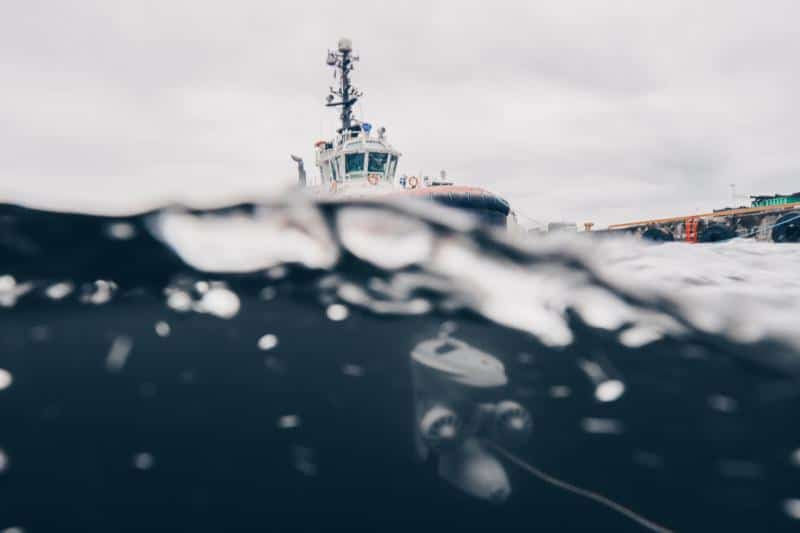
MiniROVs have been finding their place in the maritime industry for over a decade. The most frequent questions are: Should vessel inspections be performed from the port or onboard the vessel? In an ever-busy environment, whose job is it to perform underwater surveys in the first place?
I’ve discussed the use of ROVs in the maritime industry with shipowners, marine surveyors, class and marine coating companies for a few years now. Some questions remain unsettled, but I’ve come to find one place where MiniROVs consistently demonstrate clear value: onboard offshore supply vessels (OSVs) and floating platforms (FPSOs). In this article, I will share why our customers have come to us and keep coming back.
Crew members can operate without training
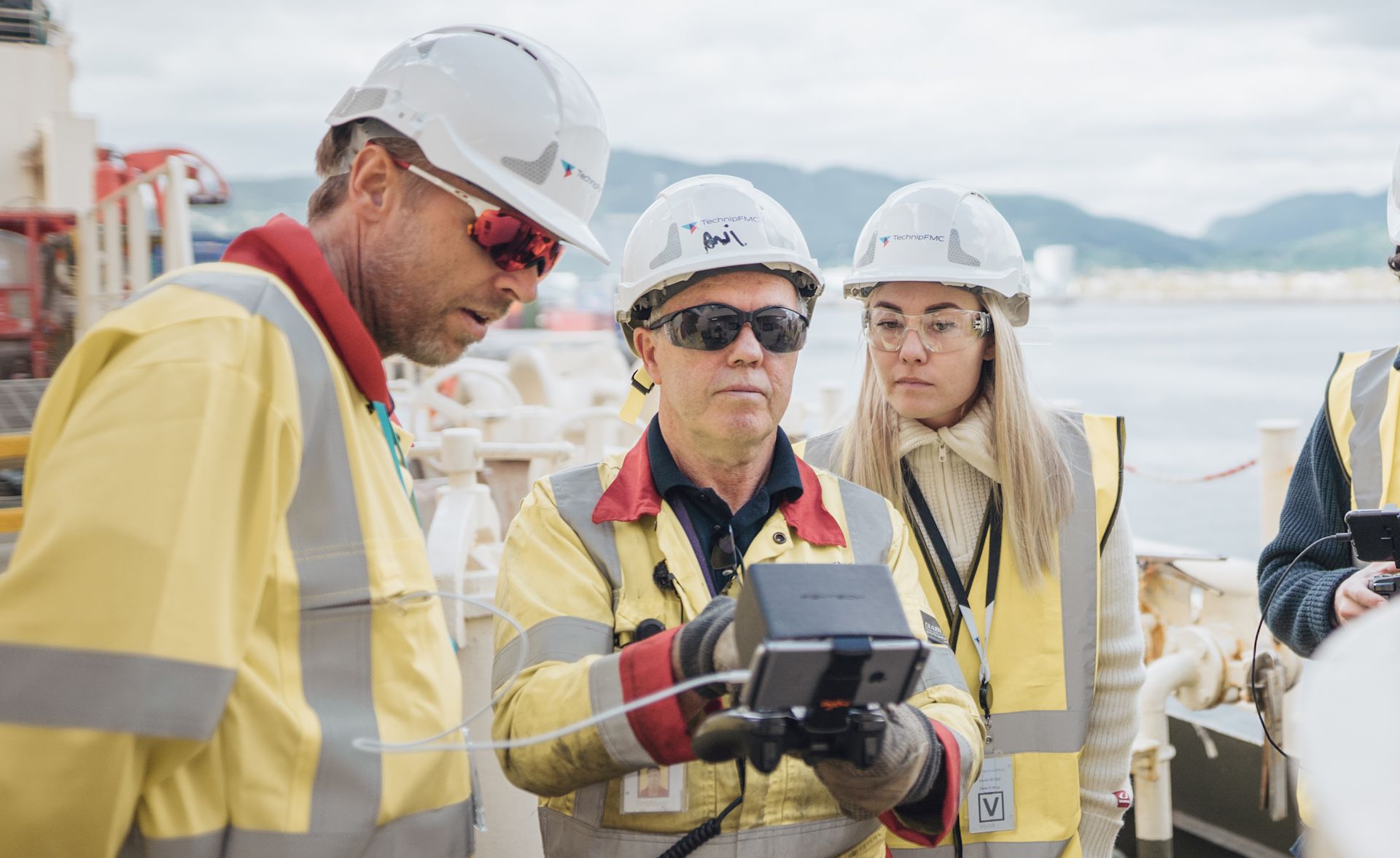
I recently approached our contact at an established global offshore supply services company to understand the usage of Blueye MiniROVs onboard their vessels worldwide. We performed a user survey to understand how the units are in use on different vessels. The survey showed that crew members can successfully deploy the Blueye unit for inspections after only some familiarizing minutes. The variety of users also proves easy onboarding as we’ve found that Captains, Chief Engineers, 1st and 2nd Officers have deployed the unit in recent years. It’s crucial to deploy quickly and safely in an ever-busy environment and at sea, even when the crew changes often.
Multiple use cases
The most common use cases of MiniROVs are hull, propellor, and thruster inspections. In addition to damage surveys, ad-hoc tasks add value but are seldom scheduled and planned for. As also large industrial ROVs are often found on board, a MiniROV can act as a complementary tool for quick inspections and supportive tasks. Also, to add to the most common use cases, a MiniROV can be, for example, deployed into the moonpool to assist in orientating the hatch. Assisting fish farmers with feeding operations, inspecting mooring lines, and documenting dive operations are only a few additional use cases we’ve seen with specialty vessels. A user-friendly MiniROV quickly proves its value onboard.
Time is of the essence
I know that there isn’t any time to lose in the maritime world, but time is of the essence, especially with specialty vessels. Due to the nature of operations, minimal downtime is an absolute priority. A Blueye MiniROV has proven its value on several occasions by providing underwater footage after incidents like soft grounding. Automated reports, high-quality videos, and images can, in some cases, be the difference between continuing to be operational and not. The safest and quickest inspection method out at sea in remote locations is no doubt a MiniROV.
I can actually see underwater with my own eyes.
– Archie Nicholson, TechnipFMC.
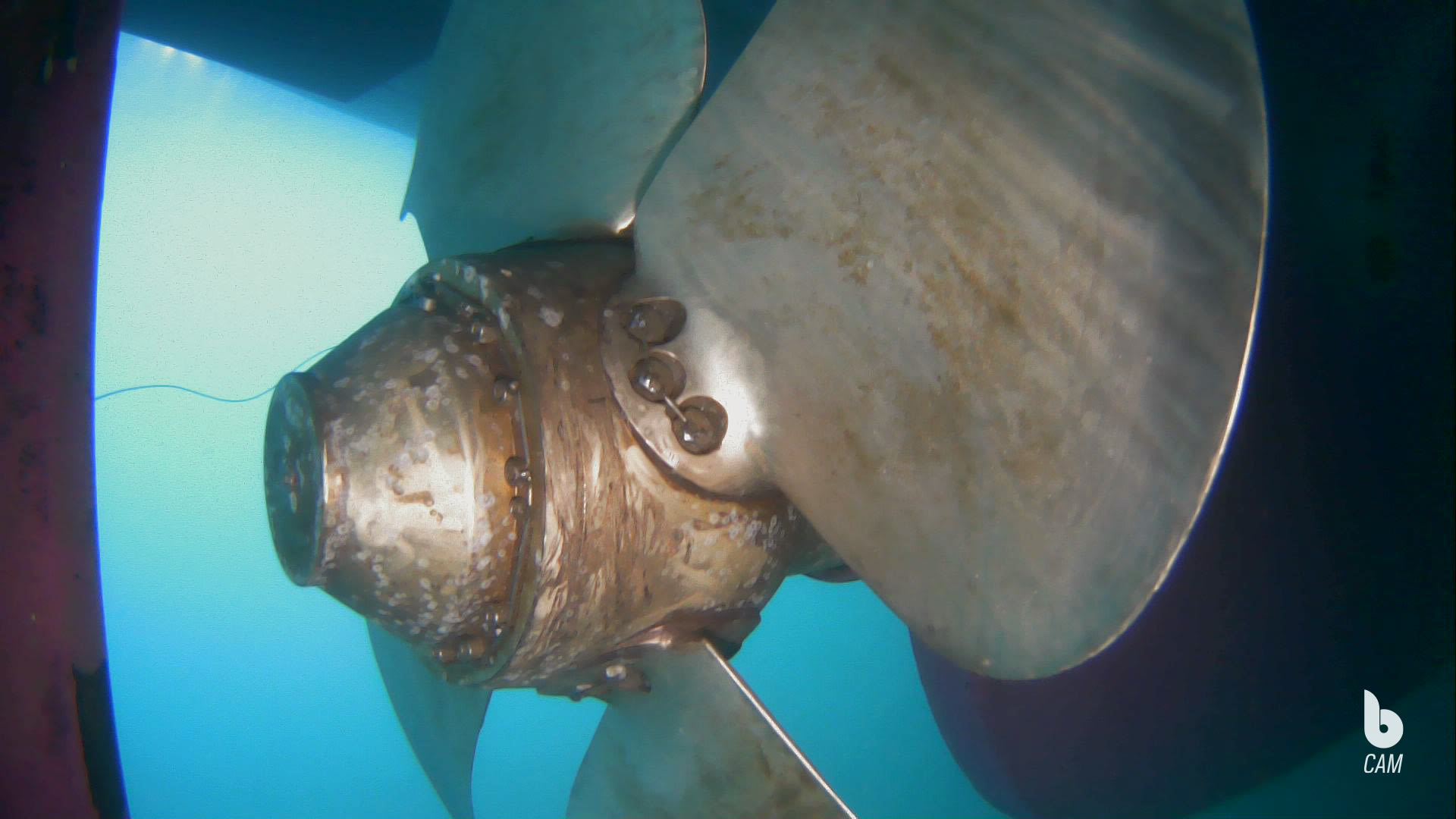
One of my favorite quotes is from TechnipFMC Chief Engineer Archie Nicholson.
We can act before something becomes a problem, instead of reacting to a problem when it happens.
– Archie Nicholson, TechnipFMC.
As Chief Engineer, Archie’s job is to know everything that’s happening within the vessel. TechnipFMC wants to address the problems like fuel efficiency proactively – when they can, in their own time. Archie is responsible for moving a vessel the size of a building all around the world as efficiently and safely as possible. We at Blueye are proud to support him in helping him do his very best.