


Two 20,000-cbm LNG bunkering vessels under construction at Jiangnan Shipyard will be equipped with SCHOTTEL SRP 460 LE RudderPropellers ahead of scheduled delivery in 2027.
SCHOTTEL has secured a contract to supply propulsion systems for two new LNG bunkering vessels being built for Shanghai International Port Group. The 20,000-cbm vessels are under construction at Jiangnan Shipyard in China, with delivery scheduled for April 2027.
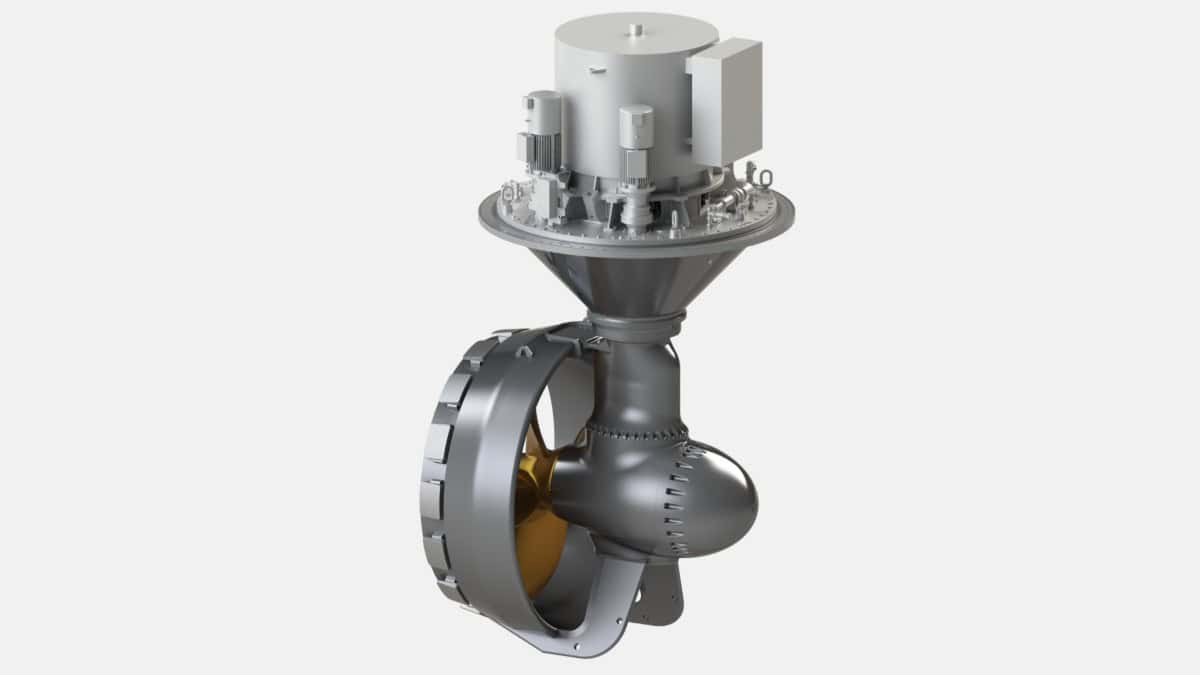
Each vessel will be equipped with two SCHOTTEL SRP 460 LE RudderPropellers, designed to deliver the high levels of manoeuvrability and positioning accuracy required for ship-to-ship LNG bunkering operations. Operating alongside large vessels in varying sea and weather conditions places significant demands on propulsion performance, particularly in terms of control, reliability and operational efficiency.
To reduce greenhouse gas emissions, the vessels rely on a fully electric propulsion system. The SRPs will therefore be installed in the LE‑Drive variant (“embedded L‑drive”). With its vertically integrated electric drive motor, this design eliminates the need for an upper gearbox, resulting in higher mechanical efficiency, reduced fuel consumption and lower vibration and noise levels. Its low installation height allows for a particularly compact integration into the vessel. The SRPs also feature SCHOTTEL ProAnode corrosion protection, which, thanks to its optimised hydrodynamic flow properties, further reduces energy consumption, lowers operating costs and extends the protection period.
In addition, both ships will be equipped with MariHub, the IoT gateway and monitoring solution from SCHOTTEL. It records and analyses data from sensors, machinery and other components to enable condition-based maintenance and enhance the vessels’ overall operational reliability.
LNG is considered one of the most important alternative marine fuels today as it enables shipowners to reduce their environmental footprint at competitive costs. With global LNG demand expected to rise further in the coming years, these bunkering vessels will play a key role in ensuring security of supply while supporting the decarbonisation of the international shipping industry.