


Mission Critical: How Sea-Flux Empowers Coastguards Through Real-Time Operational Intelligence
In the world of maritime Search and Rescue (SAR), the margin for error is non-existent. A new case study released by Sea-Flux explores how the Coastguard Auckland units in New Zealand has successfully integrated the Sea-Flux platform to manage its fleet of rescue vessels, ensuring that every asset and crew member is mission-ready at a moment’s notice.
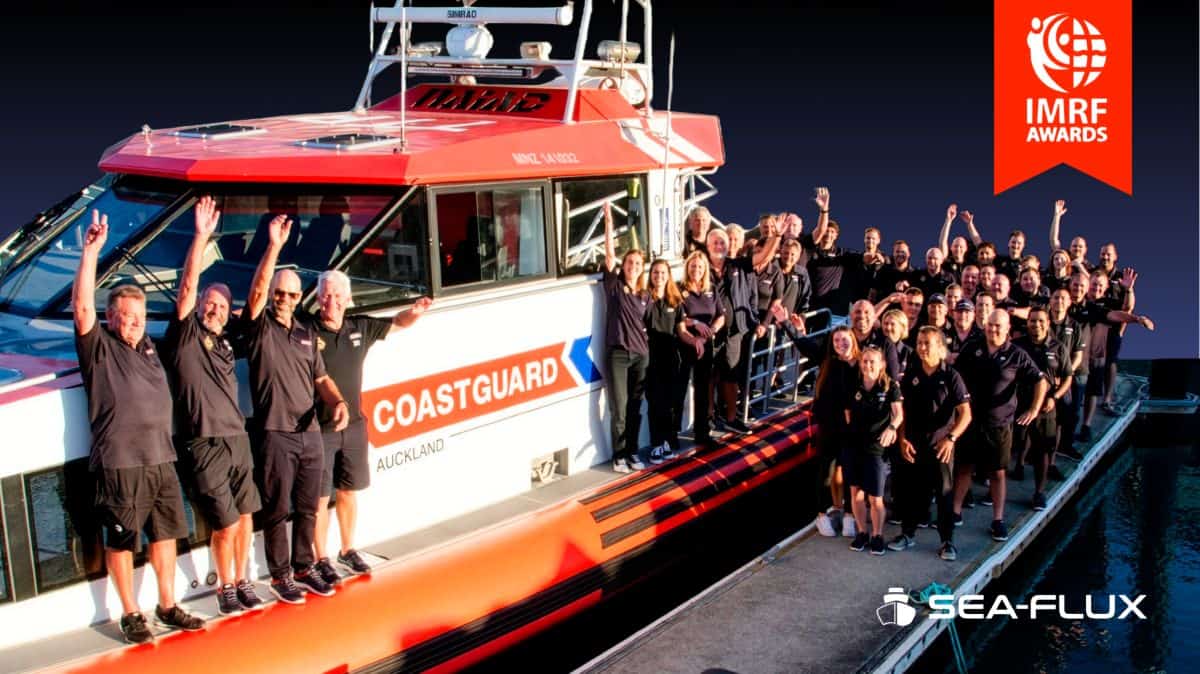
Leading this digital transformation is Coastguard New Zealand, Auckland Unit. As the international winner of the UK IMRF Award for Innovation, the Auckland Unit has set a global benchmark by using Sea-Flux to unify its compliance and vessel management systems.
The Coastguard operates in some of the most demanding maritime environments on the planet. For such an organisation, the transition from a traditional paper-and-spreadsheet system to a unified digital platform was driven by a single goal: total operational reliability. The case study details how Sea-Flux serves as the “digital nervous system” for the organisation, providing a single source of truth for maintenance, safety, and personnel management.
A central pillar of the Coastguard’s success with Sea-Flux is the Planned Maintenance System (PMS). In emergency response, an engine failure is not just a financial loss, it is a life-threatening event. By utilising Sea-Flux to track engine hours and automate service intervals, pro-active maintenance, Coastguard ensures that every vessel is maintained to the highest possible standard. The ability to access service histories and technical documentation directly on the vessel, even while offline, has transformed how technical teams manage the fleet and apply for funds ahead of time.
The case study also highlights the importance of the Crew Management module. SAR missions are gruelling, often requiring crews to work in extreme conditions for extended periods. Sea-Flux provides a transparent, digital matrix to track crew certifications and ensure that everyone on board is fit for duty and compliant with fatigue management regulations. This data-driven approach to safety ensures that the rescuers themselves are protected. Hours of Rest, in the roadmap for 2026 will highly participate to this extent.
Furthermore, the Digital SMS (Safety Management System) has replaced bulky onboard folders. Digital forms and checklists ensure that pre-mission checks are thorough and standardised across the entire fleet. Incident and accident reporting happens in real-time, allowing for immediate fleet-wide learning and proactive risk mitigation. Everything is on the plateform, instantly loaded, saving days or admin and preparation for any survey. Its ready right away.