
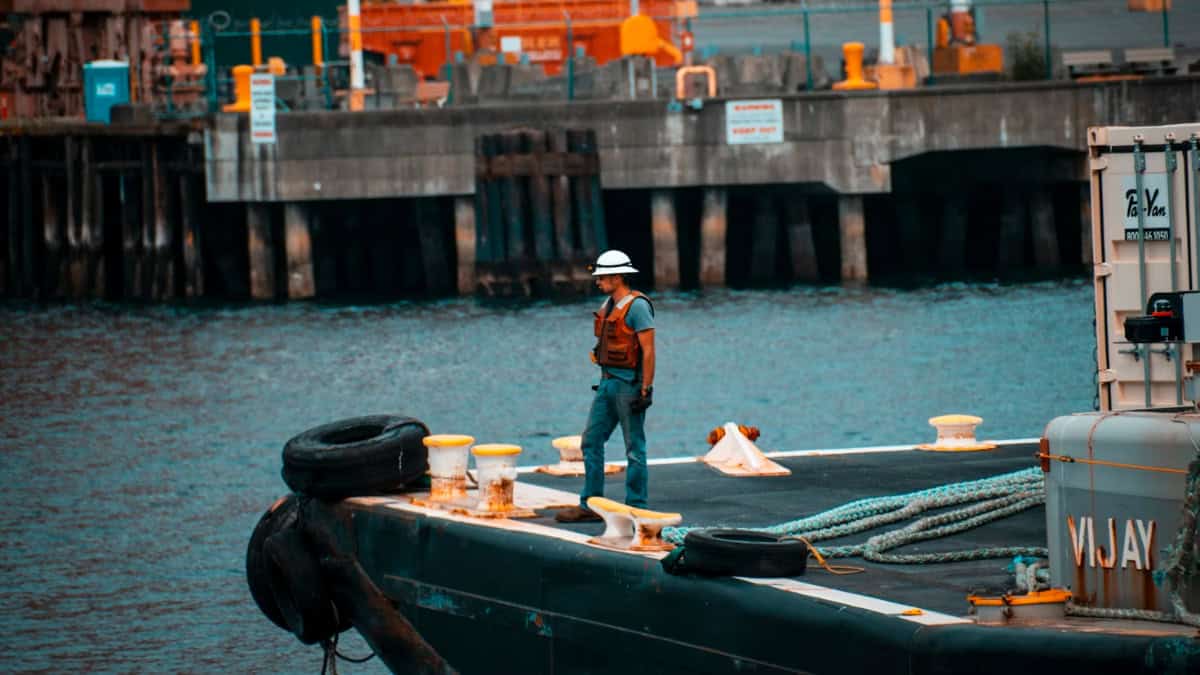
Reliable offshore transport and marine operations depend on personnel who are prepared for the unique risks of working at sea. The OPITO-certified Basic Offshore Safety Induction and Emergency Training (BOSIET) course provides the structured preparation required for crews, logistics planners, and offshore technicians to operate safely in environments where conditions can change quickly and immediate assistance is limited. By completing BOSIET, workers gain the knowledge and practical skills to handle routine transfers, helicopter flights, and emergency scenarios with confidence, ensuring both individual safety and operational continuity.
Why BOSIET matters for offshore transport
Daily offshore operations involve vessel-to-installation transfers, helicopter flights over open water, and exposure to mechanical, environmental, and human risk factors. BOSIET training equips crews with standardised evacuation protocols, communication systems, and emergency response actions that translate directly into practice. In high-pressure situations, this consistency reduces delays and uncertainty, protecting lives and minimising disruption to offshore projects.
Core components of offshore safety certification
Standardised offshore training frameworks are designed to ensure that personnel across different roles and companies operate with a shared understanding of safety expectations, which supports coordination between vessel crews, offshore platforms, and aviation providers. These frameworks typically include safety induction, emergency response, and survival techniques, all of which are structured to reflect real offshore scenarios rather than theoretical knowledge alone.
Practical readiness through certified training
One of the most widely recognised entry requirements for offshore personnel is BOSIET training, which prepares individuals for the specific risks associated with offshore travel and installation work. This training combines theoretical instruction with practical exercises, allowing participants to experience controlled emergency scenarios such as helicopter evacuation, fire response, and sea survival, which helps translate procedures into actions that can be performed under pressure.
Hands-on elements play a central role in this training structure, particularly in exercises that simulate helicopter underwater escape situations, where participants must exit a submerged aircraft while maintaining orientation and using specialised equipment. These scenarios reflect real transport risks faced by offshore workers, making the training directly applicable to the environments encountered during routine operations.
Emergency breathing systems and helicopter escape scenarios
A critical component within offshore training involves the use of emergency breathing systems, which are designed to provide short-term air supply during underwater escape situations following a helicopter ditching. Participants learn to operate this equipment in controlled conditions, which helps build familiarity and reduces hesitation in situations where timing and correct usage are essential.
Training environments are structured to replicate disorientation, limited visibility, and confined spaces, allowing individuals to practice escape techniques repeatedly until they become procedural rather than reactive. This level of preparation supports both individual survival and coordinated emergency response, since trained personnel are more likely to follow established protocols that align with crew and rescue operations.
Supporting competencies in offshore water survival
Beyond helicopter-specific scenarios, offshore personnel are also required to develop broader survival skills that address the realities of working over open water, including evacuation from installations and survival while awaiting rescue. This is where water survival training becomes relevant, as it expands on core safety principles by focusing on flotation devices, life rafts, cold water exposure, and coordinated group survival strategies.
These competencies are not limited to platform workers, since vessel crews involved in offshore support operations may also face similar risks during transfers or emergency situations. Training that includes both helicopter and marine survival elements ensures that personnel can respond effectively across different transport scenarios, which strengthens overall operational resilience.
Certification validity and operational continuity
Offshore certification frameworks are designed with defined validity periods to ensure that skills remain current and aligned with evolving safety standards, which means that personnel must complete refresher training at regular intervals. This approach helps maintain a consistent level of preparedness across the workforce, while also allowing companies to track compliance through centralised systems that record individual training histories.
Maintaining valid certification is not only a regulatory requirement but also a practical necessity for workforce planning, as offshore operators rely on verified qualifications when assigning personnel to projects that involve complex logistics and safety considerations. Training records therefore become part of the broader operational framework that supports efficient deployment and risk management.
Aligning training with offshore operational standards
Offshore safety principles extend across different energy sectors, including oil, gas, and offshore wind, where personnel often work in elevated or remote environments that require similar emergency preparedness. Using consistent safety standards across these industries allows workers to transition between sectors without needing to relearn core procedures, which improves both flexibility and safety outcomes.
Clear and consistent training frameworks reduce variation in how safety procedures are understood and applied, which supports collaboration between companies, contractors, and transport providers. This consistency is particularly important in offshore operations, where multiple organisations often work together within the same logistical system.
Integrating training into offshore workforce planning
Companies operating in offshore environments typically integrate safety training into their on-boarding and deployment processes, ensuring that personnel meet required standards before travelling to installations or vessels. This approach reduces delays caused by non-compliance and helps maintain a workforce that is ready to respond to operational demands without additional preparation.
Planning training schedules alongside project timelines also supports efficiency, since certified personnel can be deployed without disruption, and refresher requirements can be managed in advance rather than addressed reactively. Training therefore becomes part of the operational structure rather than an isolated requirement.
Conclusion
Offshore operations rely on coordination, timing, and the ability of personnel to act decisively in situations that require immediate response, which makes structured safety training an essential component of both individual readiness and organisational performance. Providers such as FMTC Safety support this process by delivering standardised training programs that align with industry requirements and prepare offshore workers for the conditions they will encounter in real operations.