The monopile-based system will enable Power2Tow vessels to recharge at sea, supporting lower-emission emergency towing operations in the North Sea
Charge Offshore, part of MJR Power & Automation, is supporting Smit Terminals Europe and Smit Salvage, both part of Boskalis, with the development of a dedicated offshore monopile charging solution as the Power2Tow project progresses through the preliminary design phase of its tender process.
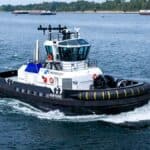
Led by Dutch government agency Rijkswaterstaat, Power2Tow aims to develop three electric emergency response towing vessels (ERTVs), together with the associated offshore and onshore charging infrastructure. The project is designed to support the transition towards lower-emission emergency towing operations in the North Sea.
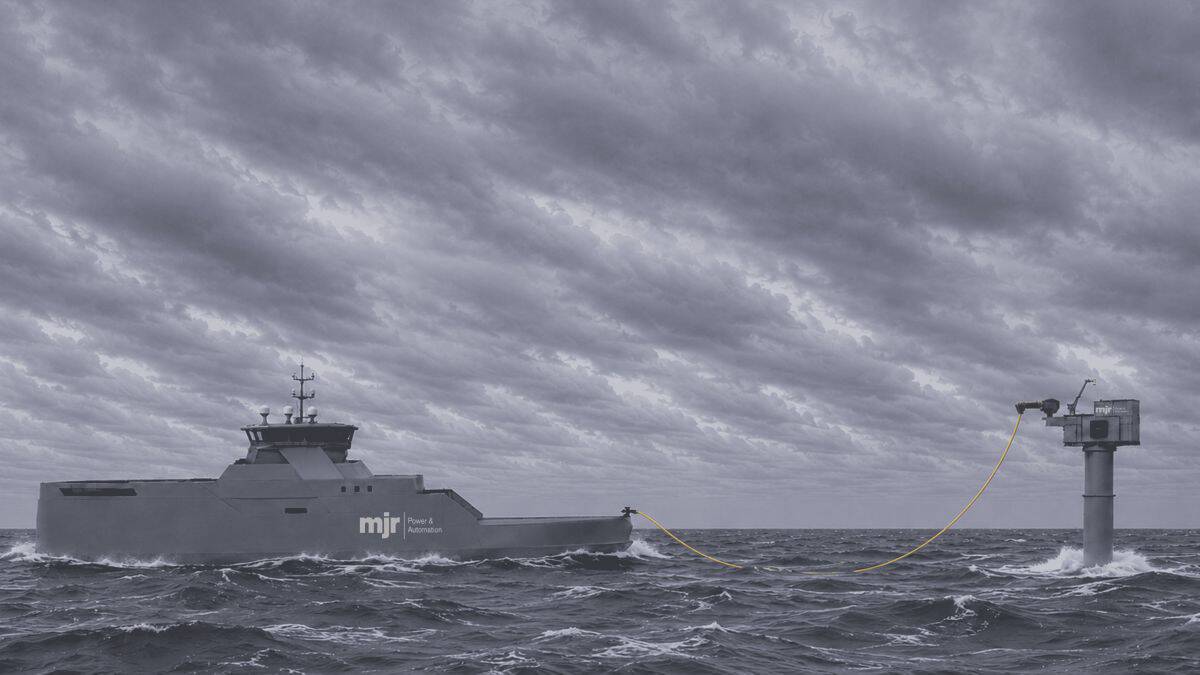
Charge Offshore’s dedicated monopile system will provide these vessels with access to electricity at sea, allowing them to recharge and maintain offshore standby with drastically reduced emissions, while remaining close to the areas where they are needed most.
The monopile is a specialised charging point connected to existing grid infrastructure by a protected undersea cable, installed at an optimal location to provide closer access to energy while minimising collision risk in high-traffic areas. Vessels requiring charge approach the monopile and are connected via an innovative system which offers the greatest levels of safety for crew in challenging North Sea conditions.
Paul Cairns, CEO of Charge Offshore, commented: “Emergency response vessels always need to be ready to respond to crises. Usually patrolling or idling far from shore, safe and reliable access to offshore electricity will be essential for supporting their crucial ongoing operations whilst limiting emissions.
“Power2Tow provides a perfect opportunity to accelerate the transition to vessel electrification, and we are pleased to bring our offshore power and charging expertise to the SMIT consortium. Our dedicated monopile charging solution will provide safe and dependable charging to the ERTVs in demanding North Sea conditions, improving access to critical charging capabilities right where they’re needed most.”