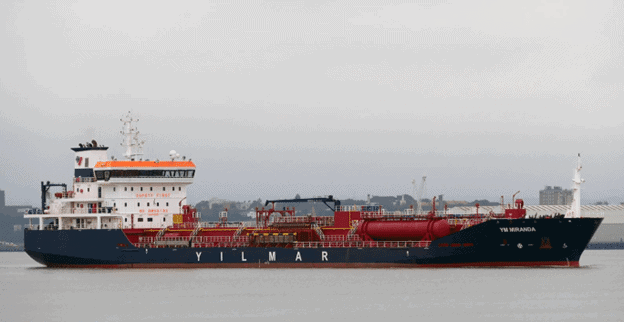
Specialised ship manager Chemfleet has confirmed that an in-service Berg Propulsion upgrade to control systems onboard the tanker YM Miranda has yielded fuel savings of around 10%.
Trials following the installation of Berg MPC800M control system onboard the 12,933 dwt IMO II chemical tanker have persuaded Chemfleet to upgrade three additional 6,970 dwt sisterships, in a solution integrating Berg’s Dynamic Drive Software. Istanbul-headquartered Chemfleet is also reviewing control system needs for six more tankers under management.
When upgraded to include Dynamic Drive, the Berg Propulsion’s MPC800M system is enabled to set upper limits for vessel speed or fuel consumption by optimizing the pitch and rpm of the control pitch propeller. If the speed limit is exceeded, Dynamic Drive automatically reduces thrust until the limit is met. If fuel is the priority, the algorithm selects the rpm/pitch to optimize engine performance.
“Data from the initial trials showed MPC 800 control system achieving around 10% fuel reductions, and our expectation is that there is more to come as the system beds into operations,” said Ersen Uçakhan, Technical Manager, Chemfleet. “We will upgrade YM Neptune, YM Pluto and YM Uranus later this year, continuing our successful collaboration with Berg Propulsion on this exciting project.”
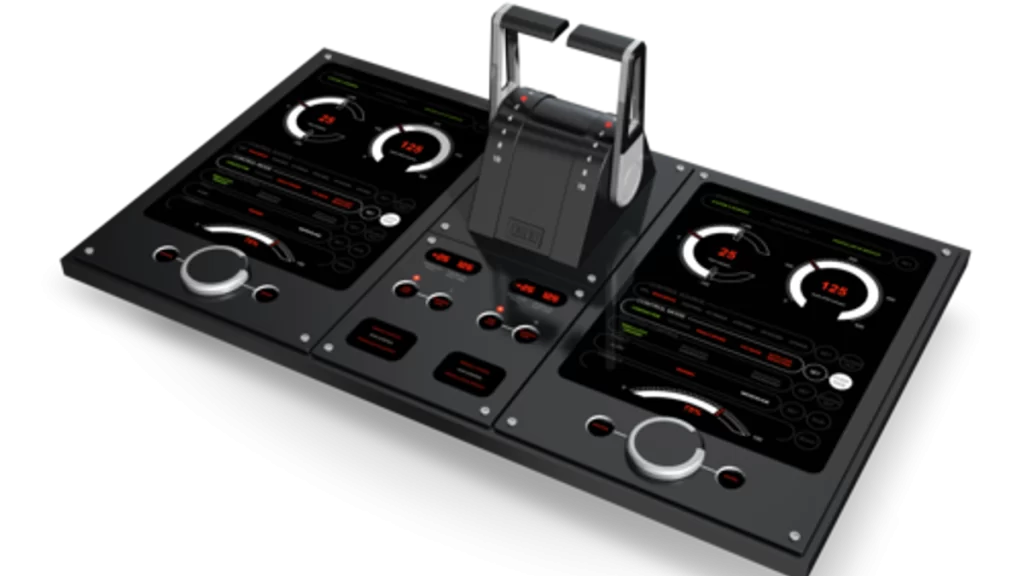
The opportunity to replace the existing controls system from another supplier with Berg’s MPC800 system on YM Miranda was accomplished in three days. Özgür Bartınlı, Service Manager, Berg Propulsion, explained that the system offers the open architecture for software upgrades as required.
“Chemfleet is a high-quality chemical tanker manager which takes a proactive approach to enhancing ship performance – looking beyond the requirements of CII and EEXI, for example,” he said. “Adding Dynamic Drive delivers not only a significant competitive edge, but also the performance to anticipate emissions requirements well ahead of regulation.”
Emre Özkul, Product Support Manager, Berg Propulsion, added: “After the initial retrofit of the MPC800M control system on board YM Miranda, we have been delighted to verify that the upgrade helps Chemfleet crews to reduce the ship’s fuel consumption based on everyday operations. In the upcoming months, we are excited to bring more gains to three more ships by incorporating additional Dynamic Drive software into our planned retrofit solution.”
Dynamic Drive software is one of several class-approved options devised by Berg Propulsion to help ships rise to their efficiency challenges. In cooperation with owners and operators, Berg uses 3D scanning and modelling tools to develop retrofit options that offer cost-based gains, factoring in drydocking work. Its solutions minimize mechanical and hydrodynamical losses, combining the best equipment for specific applications to boost energy efficiency without compromising vessel reliability.
“Our analysis involves a thorough evaluation of product efficiency, encompassing the propeller, gearbox, shaft alternator, generators, and engines,” Özkul explained. “There is no one-size-fits-all solution, so we dig deep in analyzing the current system’s efficiency, configuration and performance to establish the crucial areas for improvement and formulate next steps. Berg Propulsion works closely with ship owners to deliver on with their energy efficiency needs, whether they are working through the EEXI and CII transition, focusing on fuel efficiency or leading the way on decarbonization.”