


Estonia’s new fully electric passenger ferry is being developed for reliable service in demanding winter ice conditions
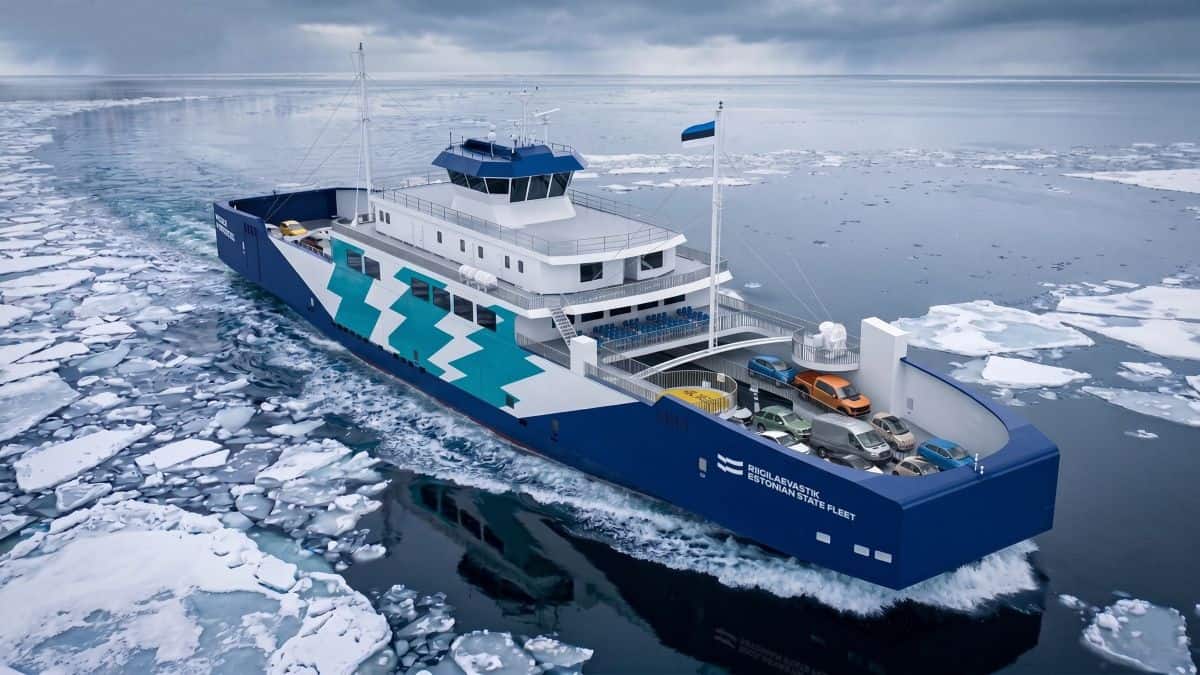
Estonian State Fleet has signed a design and shipbuilding contract with Polish shipyard CRIST S.A. for the construction of Estonia’s first fully electric passenger ferry, marking a significant milestone in the decarbonisation of ferry transport across the Baltic Sea region. The vessel will be designed by naval architecture company LMG Marin, whose portfolio includes more than 200 ferries worldwide, with a strong track record in the development of electric and hybrid vessels.
The newbuild ferry is scheduled to enter service at the end of 2028 and will operate primarily on shore-charged green electricity. Designed for year-round reliability, the vessel will be capable of operating in challenging Nordic conditions, including winter ice environments.
The project marks a significant milestone in Estonia’s maritime decarbonisation strategy and reflects growing regional investment in low-emission ferry technology and sustainable coastal transport infrastructure.
“Ferry connections are vital for Estonia and especially for our island communities. They support everyday life, local businesses and access to essential services. This new fully electric ferry will make that connection more reliable, modern and environmentally friendly. I am glad that we are moving forward with a Polish shipyard whose experience in demanding maritime conditions will support the delivery of a vessel well suited to Estonia’s needs,” said Estonian Minister of Infrastructure, Mr Kuldar Leis.
According to Mr Andres Laasma, Director General of Estonian State Fleet, the project supports both fleet modernisation and Estonia’s broader transition towards lower-emission maritime transport. “Investing in next-generation vessels is essential for ensuring reliable island connectivity while reducing environmental impact and long-term operating costs,” said Laasma. “Despite a challenging global economic environment, we are pleased to move forward with a vessel that combines zero-emission operation in daily service with the resilience required for Baltic operating conditions.”
“We are very pleased to be involved in projects that contribute to the development of more sustainable and environmentally friendly maritime transport. At CRIST S.A, we are committed to supporting innovations that help reduce emissions and drive the industry towards a greener future. This project is an important step in that direction,” said Aleksander Lech, Commercial Director at CRIST S.A.
CRIST has previously delivered several advanced low-emission vessels, including the fully electric ice-class ferries Altera and Elektra operating in Finland.
“This project is particularly important for LMG Marin. After the delivery 12 years ago of the ferry for the vessels currently in operation, this contract confirms our long-standing collaboration with Estonian key players,” said Vincent Rudelle, member of the Management team at LMG Marin and former Project Manager of the initial Estonian ferry programme.
“It demonstrates our leadership in zero-emission passenger shipping. Over the last 12 months alone, 14 ferries and RoPax vessels based on LMG Marin designs, ranging from 50 to 170 metres, have been contracted. They all integrate large battery systems to significantly reduce their environmental footprint. This new vessel further strengthens LMG Marin’s position as a world leader in the design of low- and zero-emission ferries and RoPax vessels, supporting operators in their transition towards sustainable maritime transport. We are proud to be back in Estonia with this new project.”
As Estonia’s first vessel powered 100% by green electricity in daily operations, the new ferry is expected to be up to 64% more energy-efficient than Estonia’s existing reference vessel Regula, which is powered by traditional diesel generators.
Its primary power source will be shore-charged electricity stored in a 3 MWh battery system, enabling fully electric operation on the main island´s Virtsu–Kuivastu route. For extended range, severe weather and emergency operations, the vessel will also be equipped with biodiesel generators, providing an operating range of at least 1,000 nautical miles without refuelling. This hybrid redundancy also makes the vessel technically suitable for additional longer routes.
The ferry will be built to ice class 1B, enabling operation in ice up to 60 cm thick and maintaining standard operational speeds in lighter ice conditions. To improve manoeuvrability and energy efficiency, the vessel will be equipped with next-generation azimuth thrusters at both ends. The thrusters’ designed output exceeds the minimum requirements for ice class 1B, providing additional power for vessel operation in heavy ice.
At approximately 100 metres in length, the ferry will accommodate up to 110 passenger vehicles or 8 freight trucks, with capacity for up to 380 passengers.
The vessel is planned with a strong focus on functionality, passenger comfort and contemporary design. Onboard amenities will include a professional kitchen and restaurant area serving hot meals, as well as accommodation and recreational facilities for crew members. Special attention is also given to accessibility, with dedicated solutions for passengers with reduced mobility, as well as blind and visually impaired travellers.