


Electronics & CommunicationMarine ElectronicsOrca AI Releases New Version of SeaPod

Orca AI Releases New Version of SeaPod

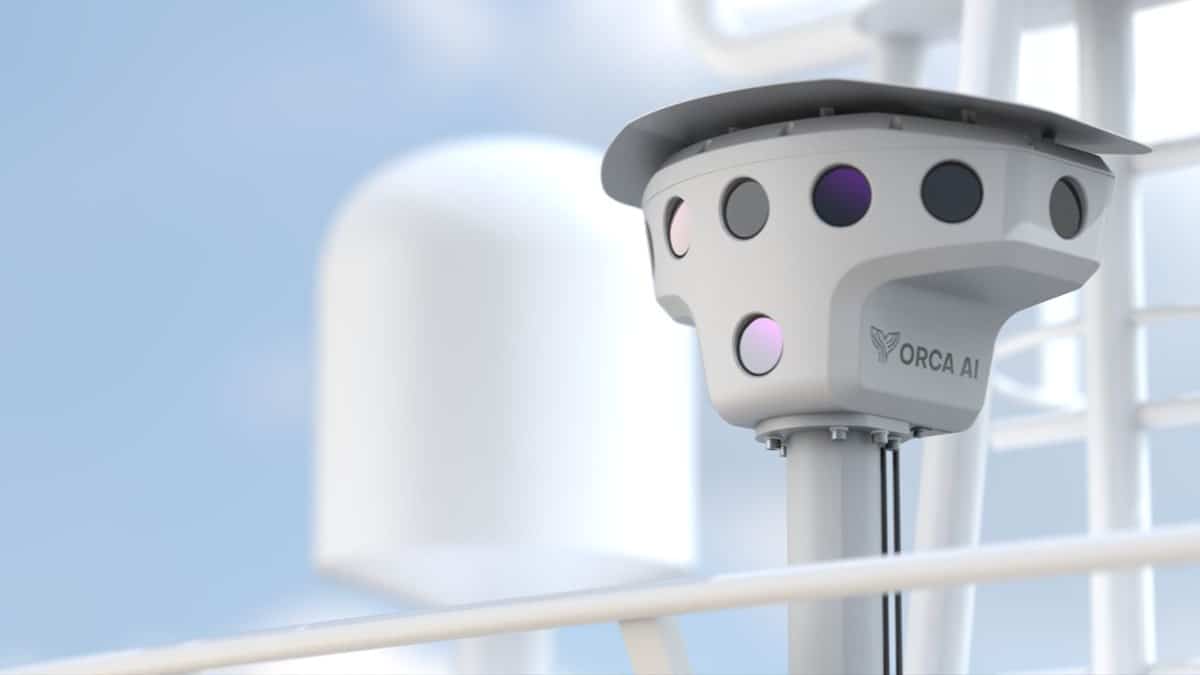
Orca AI release the new version of our SeaPod digital watchkeeping unit. SeaPod, utilizing cutting-edge computer vision and machine learning, functions as an automatic navigational assistant, available 24/7 to handle complex marine traffic scenarios.

Imagine navigating through a congested channel with limited visibility, a situation prone to crew exhaustion and potential errors. SeaPod steps in as a practical solution, designed to minimize crew strain by detecting, tracking, and prioritizing targets, irrespective of distance. It operates as a fully automated navigational assistant, employing advanced computer vision and machine learning to process information, making it more efficient over time.

SeaPod revolutionizes marine navigation by self-improving through AI, empowering crews to make quick and informed decisions. This not only elevates current safety standards and operational efficiency but also lays the groundwork for safer autonomous navigation in the future.

Located on the ship’s compass deck, the SeaPod features five day-view cameras (225° FOV) and three thermal-view cameras (100° FOV) using FLIR technology. Integration with AIS and ARPA data generates a comprehensive dataset about each target. SeaPod can detect objects up to four nautical miles away, irrespective of vessel location and weather conditions.

Built to endure various weather conditions, humidity, and temperatures (-20°C to +40°C), SeaPod has undergone rigorous durability testing with a proven uptime of 99.999%. Its lightweight design (10 kilograms) and simplicity ensure easy installation, complying with regulatory standards such as IMO’s SOLAS Chapter V Regulation 22 and the STCW.

The new version of the SeaPod, aims to facilitate smarter, data-driven decisions in challenging marine navigation. Here’s to calmer waters and safer journeys!


Latest News

MacGregor has secured orders to supply deck cranes, cargo-handling equipment and deck machinery for four new oceanographic research vessels being built in Europe and India. Equipment deliveries are scheduled to begin in 2027, with the final deliveries due by the third quarter of 2029.

MacGregor Equipment for Four New Research Vessels

MacGregor will provide lifting and handling equipment for four new research vessels operating in demanding marine environments MacGregor has secured orders to supply deck cranes,...
Angola’s emerging shipbuilding sector has marked a significant milestone with the launch of the first multi-role patrol boat built by Kianda Shipyard in Luanda. The 16-metre TOMBWA 50 represents the Angolan yard’s first vessel in the class and highlights the growing role of regional expertise in developing southern Africa’s marine manufacturing capability.

Angolan Shipyard Launches First TOMBWA Patrol Boat

The first 16m TOMBWA 50 highlights Kianda’s growing capability to build aluminium vessels for patrol, survey and offshore operations Angola’s emerging shipbuilding sector has marked...
Offshore engineering specialist Osbit, part of Venterra Group, has secured a contract from Jan De Nul Group to design and build a next-generation shallow water trencher for cable burial operations.

Osbit Wins Jan De Nul Trencher Contract

Jan De Nul’s Next-generation trencher combines deep burial capability with a compact, containerised design. Offshore engineering specialist Osbit, part of Venterra Group, has secured a...
Fire Zone Antwerp (Brandweer Zone Antwerpen) has officially commissioned 'Schelde 112', a high-speed rescue vessel designed to strengthen emergency response capabilities along the 35km stretch of the Scheldt running through Antwerp.

Antwerp Adds High-Speed Rescue Boat

New rescue vessel provides Fire Zone Antwerp with faster, safer and more capable river rescue operations Fire Zone Antwerp (Brandweer Zone Antwerpen) has officially commissioned 'Schelde...

Related news