



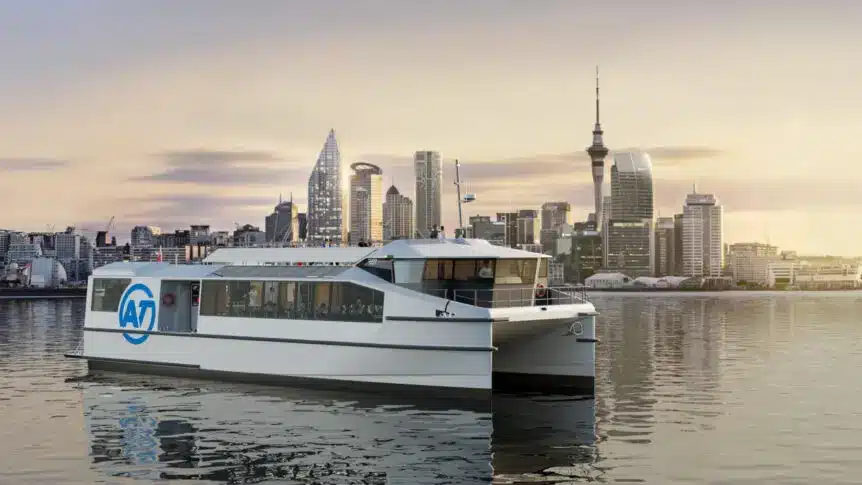
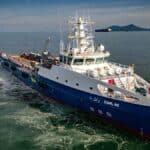
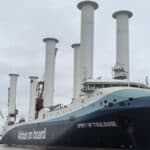
In an exciting development that signifies a monumental leap towards sustainable urban mobility, Singer Electric proudly announces their collaboration with global giant ABB for a groundbreaking initiative – the electrification of Auckland Transport’s (AT) ferry fleet. This visionary project, soon to be underway, aims to reduce emissions and set a new standard for sustainable maritime transportation.
Innovative Charging System:
The project introduces the world’s first Megawatt Charging System (MCS) to support all-electric and hybrid-electric ferries. Singer Electric, as the channel partner and lead installer in close collaboration with ABB, will play a pivotal role in bringing this innovative shore-to-ship charging system to life. Utilizing an interface common to trucking and aviation, the system is expected to lower market barriers for electric ships.
Decarbonization Impact:
Auckland Transport’s commitment to ferry electrification is projected to cut diesel use by 1.5 million litres annually, reducing CO2 emissions by 4,000 tonnes. As Singer Electric prepares to embark on this transformative journey, we eagerly anticipate our contribution to this impactful decarbonization initiative.
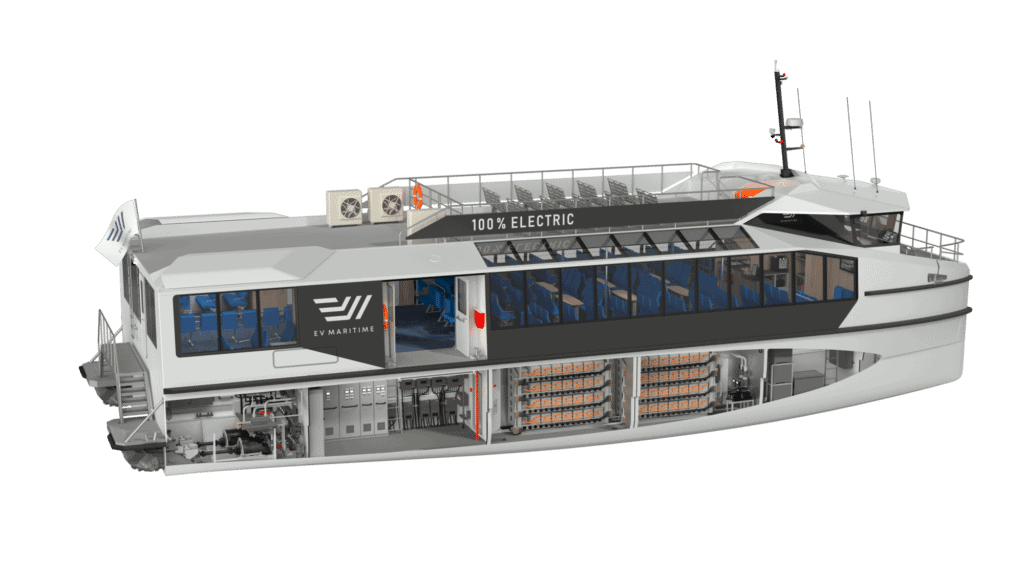
Embarking on the electrification project, Singer Electric faced distinctive challenges, met with tailored solutions driven by our unwavering commitment. Our team is poised to collaborate closely with local partners, ensuring the delivery, engineering, and installation of ten complete power systems by the end of 2025. Within this initiative, we will strategically install 2 x 1.65MW chargers at key ferry terminals.
Singer Electric has envisioned a turnkey E-house (mobile plant room) precisely designed to meet Auckland Transport’s (AT) specifications. Our fully climate-controlled E-house charging solution will grace 12 locations over the next decade, delivering an impressive 3.3 megawatts of charge at each site—setting a new standard, nine times more powerful than the current largest public high-powered vehicle charging unit in New Zealand.
Their close collaboration with AT has been instrumental in defining the project’s scope and responsibilities. Through ongoing partnerships, we’ve positioned the project for an early kick-off next year, with the first three sites and eight chargers set to be operational before 2025.
A key advantage of our proposed solution lies in minimising barriers within the consent process, avoiding the constraints of a fixed building. This allows us to construct the E-house off-site, ensuring minimal disruption to existing services while providing us with control over the off-site building. This, in conjunction with our commitment to collaboration, minimises the need for significant contractor involvement.
This groundbreaking solution, proudly championed by Singer Electric, will feature an MCS ‘megawatt charging plug’—a global first. AT’s trust in Singer Electric is evident, embarking on this journey even when the Megawatt plug was still under development. It’s truly thrilling to witness New Zealand take the lead in advancing supercharging technology.
“It is incredibly exciting to lead the way with modern, low-emission public transport. Our new ferries will bring greater passenger capacity, improved accessibility, and a more consistent customer experience. They will also rely on the charging infrastructure to deliver on these capabilities.” – Nathan Cammock, Program Director, Auckland Transport.
“Singer Electric’s proven experience in delivering robust and high-performance ship charging solutions and their willingness to embrace the megawatt charging system were major considerations in AT’s choice.” – Murray Burt, Chief Engineer, Auckland Transport.
“Securing the AT Ferry ship-to-shore charging solution with our global partner ABB is a significant step for Singer Electric in our quest to decarbonise buildings and transport in NZ. The project is at the leading edge of charging technology and will pave the way for other megawatt charging applications in NZ” – Jeff McLaren, Managing Director, Singer Electric.
As Singer Electric undertakes this transformative journey, our commitment to revolutionizing sustainable and efficient public transportation stands resolute. Stay tuned for regular updates as we redefine the landscape of E-Mobility and Energy Management.










 ferry fleet. This visionary project, soon to be underway, aims to reduce emissions and set a new standard for sustainable maritime transportation.)