A Wales-centred industrial collaboration, led by Swansea-based Marine Power Systems, has been awarded nearly £1 million of innovation funding.
The project is to develop the use of low CO2 steels from Tata Steel’s Port Talbot site to build platforms for floating offshore wind structures and strengthen local supply chains.
The Launchpad project is a collaboration between Marine Power Systems (MPS), Tata Steel UK, Swansea University, Associated British Ports (ABP), the UK’s largest port operator, and leading engineering and fabrication company, Ledwood Engineering.
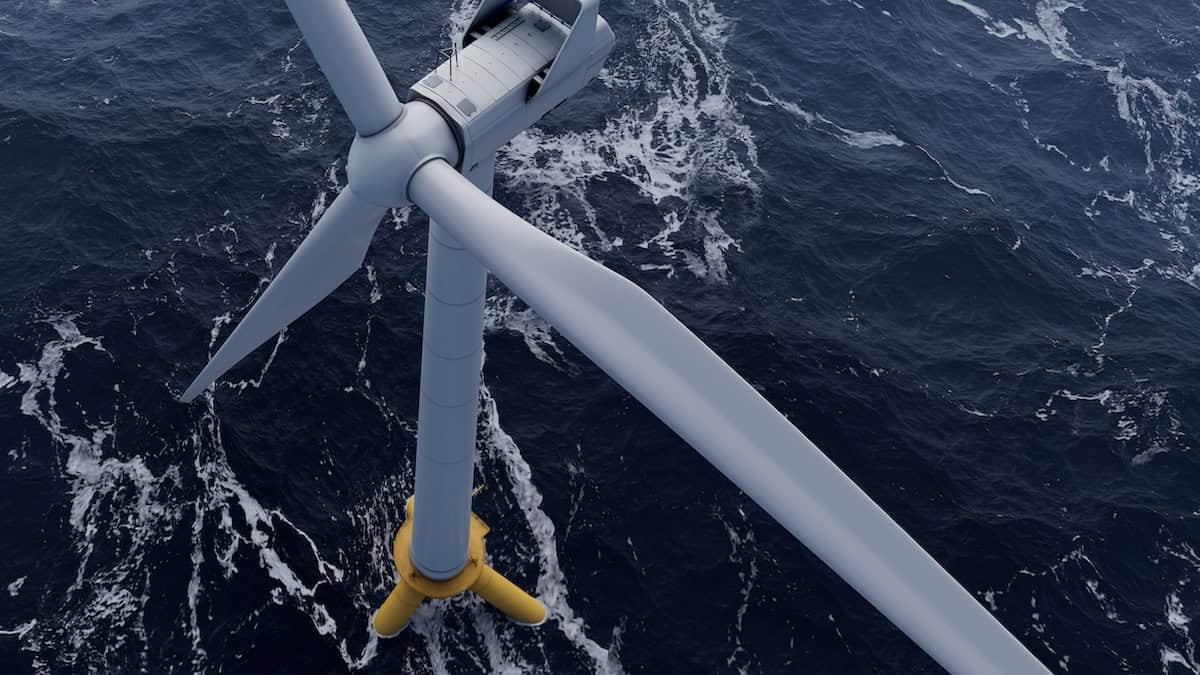
The funding from Innovate UK, the UK’s Innovation Agency, is to further develop and optimise PelaFlex, Marine Power System’s unique and flexible floating offshore wind platform, for applications in the Celtic Sea. The project also aims to ensure that the material sourcing, fabrication, manufacture, and product deployment is maximised through local supply chains.
Graham Foster, Chief Technology Officer at MPS commented: “We are confident that through this project we will be able to optimise our platform design to increase the amount of local, low CO2 steel used for each platform from around 10% to over 50% – that could be as much as 50,000 tonnes of steel each year, based on ongoing supply into Celtic Sea floating wind projects.”
“With the deployment of floating offshore wind in the Celtic Sea becoming a reality, the time is absolutely right to work with local supply chain partners and top research establishments to optimise the detailed design of our technology and maximise its deliverability.
Tata Steel UK’s CEO Rajesh Nair added: “We have a vision for our future low CO2 steels to be at the centre of a green industrial hub here in South Wales. Collaborations with industrial partners such as MPS demonstrate the huge potential benefits of producing green steels as well as providing security for local supply chains and the communities that surround us.”
Mark Davies of Ledwood Mechanical Engineering continued: “The project represents another step forward for the emerging floating offshore wind industry. As a locally based engineering company, we are pleased to be working with MPS, Tata Steel, the Port of Milford Haven, ABP Port Talbot and Swansea University to help build a local supply chain by capitalising on the skills, expertise and infrastructure that we have here in South-West Wales. This is an exciting time for us and we hope the region can take advantage of the opportunities that will soon emerge.”
Specifically, the project will optimise the structural efficiency of MPS’s floating offshore wind platform, PelaFlex, paying particular attention to the challenging environment in the Celtic Sea whilst minimising both the cost of materials and deployment. That includes the use of strip steel manufactured in Port Talbot, the use of components fabricated by local suppliers and the assembly and roll out using existing ports in the southwest Wales.
Andy Reay, ABP Head of Offshore Wind, commented: “We are very excited to be working with MPS to assess this emerging technology and hope that it will help accelerate progress in developing the UK’s floating offshore wind sector. We are particularly pleased to develop this relationship with a Wales-based company as we look to realise the potential of FLOW for jobs and investment in local communities.”
“ABP is developing plans to invest more than £500 million to develop new and repurposed infrastructure in Port Talbot to enable the port to host manufacturing, installation, and supply chain activity for the Floating Offshore Wind (FLOW) sector. This has the potential to create thousands of new, high-quality jobs and attract billions of pounds of inward investment.”
Swansea University will provide design input by applying the latest developments in structural design modelling, and Ledwood, based in Pembrokeshire, will provide feedback that will help maximise the extent to which fabrication can be supported from local suppliers. Input from Associated British Ports and the Port of Milford Haven will ensure that the platform can be assembled and deployed from those locations whilst minimising the investment required to do so.
The UK Government, supported by the current 4.5GW licensing round for floating offshore wind in the Celtic Sea, has committed to delivering 5GW of floating offshore wind by 2050.
The Labour Party Manifesto 2024 states that to achieve clean power by 2030, they would “Pioneer floating offshore wind, by fast-tracking at least 5GW of capacity”.