



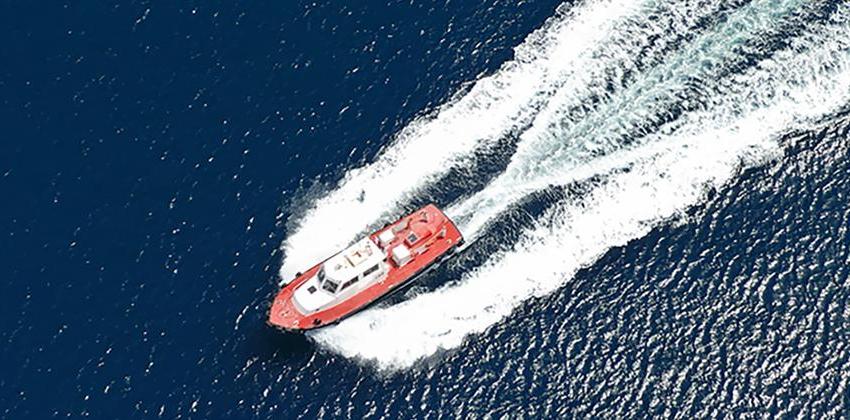
Why integration is key to maximising performance and ROI of zero and low carbon projects through complete system integration and vessel understanding, exploring critical drivers in successful decarbonisation projects.
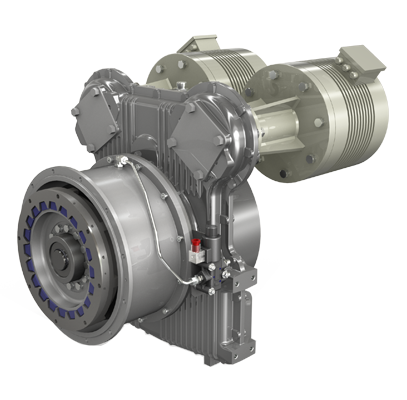
Climate change caused by greenhouse gasses, the harm caused by direct human exposure to fossil fuel engine emissions, operating economics and increasing legislation are driving interest in solutions for decarbonisation and carbon reduction of vessels. Vessel emission reduction can be achieved in a number of ways, including:
- Reducing the energy required to be delivered to the propeller to achieve the operational objective
- Maximising the efficiency of the conversion of fossil fuel derived energy to provide propulsion
- Utilising lower-carbon energy sources
The optimum solutions consider all the above, MIT are primarily involved with drive line components, hence this paper considers the latter points (in blue). The text is aimed at the vessel owner, or operator, who has little previous knowledge on the subject and is considering options for reducing propulsion-related carbon emissions. The paper presents; the current solutions that we at MIT are directly involved with, how carbon reduction can be achieved and discusses the importance of engineering process and integration. A case study of an existing vessel design retrofit to hybrid propulsion is provided.
The Challenge
To achieve a successful propulsion system carbon reduction design for a given vessel and operational profile the system designer must find the optimum combination of:
Discover key factors for success, solutions and opportunities for performance within a diesel alternative drive array by downloading MIT’s FREE white paper
Click to download the complete white paper.
Paper written: by Euan Kelso, Technical Director, MIT & Dan Weathy, Principal Project Engineer, MIT
Acknowledgements: Ron Leeuwesteijn, Veth Propulsion Ltd. Transfluid S.pA









. The text is aimed at the vessel owner, or operator, who has little previous knowledge on the subject and is considering options for reducing propulsion-related carbon emissions. The paper presents; the current solutions that we at MIT are directly involved with, how carbon reduction can be achieved and discusses the importance of engineering process and integration. A case study of an existing vessel design retrofit to hybrid propulsion is provided.)