Ship & Boat BuildingCrew Transfer VesselsTidal Transit kicks off £8m project to deliver the world’s first retrofit...

Tidal Transit kicks off £8m project to deliver the world’s first retrofit E-CTV with offshore and onshore Charging

Tidal Transit, supplier of purpose-design crew transfer vessels for the offshore wind industry, has begun the design and engineering phase of a groundbreaking project to deliver the world’s first retrofit electric crew transfer vessel (E-CTV).

The initiative benefits from £6.3m funding from the Zero Emissions Vessel and Infrastructure (ZEVI) competition, which opened in February 2023 as part of Innovate UK and the Department of Transport’s strategic plan to develop, deploy and operate clean maritime solutions. Just ten flagship UK projects were chosen to split more than £80m in funding, with the aim of unlocking an industry-led transition to Net Zero.

Over the next 15 months, Tidal Transit will retrofit a diesel-powered Mercurio 20m vessel, Ginny Louise, with over two megawatt-hours (MWh) of battery capacity, electric motors and propulsion pods. The finished product, e-Ginny, will not only be 100% zero emissions in operation, but also boast increased manoeuvrability while being near-silent for passengers and passers-by.

As existing shoreside charging capabilities are severely limited, the project will expand vessel charging infrastructure by installing both an onshore charging station from Artemis Technologies, and an offshore wind turbine based-charger from MJR Power & Automation to allow for direct E-CTV charging on location, greatly increasing the time and range that electric vessels can stay in operation without returning to port.

The e-Ginny project is being undertaken in partnership with Goodchild Marine Services, Artemis Technologies and MJR Power & Automation. Key equipment suppliers also include Volvo Penta, Danfoss and the battery system from Corvus Energy. Upon completion, the E-CTV will be begin service on a UK windfarm for a period of 3 years.

Leo Hambro, commercial director of Tidal Transit, commented: “This project is a significant step forward in propelling the offshore transport industry into a new zero-carbon era. As a Norfolk based company, we’re delighted to be working locally with our project partner Goodchild Marine and, alongside our other incredible design and engineering partners operating nationwide, continuing to lead the way in sustainable and decarbonised offshore transport.”


Latest News

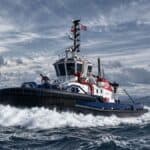
Boluda Towage has expanded its Norwegian fleet with the addition of VB NORWEGIAN FALCON, a new tug built by Sanmar Shipyards to support towing, vessel assistance and offshore operations in demanding maritime environments.

Boluda Towage Takes Delivery of VB NORWEGIAN FALCON

Sanmar-built VB NORWEGIAN FALCON features RAstar 3200 SX design, ASD propulsion and more than 6,700 hp Boluda Towage has expanded its Norwegian fleet with the...
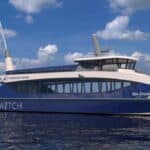
SWITCH Maritime has secured a Design Basis Agreement (DBA) from the United States Coast Guard (USCG) for its SWITCH-150 hydrogen fuel cell-electric ferry, marking a key milestone in the development of the 150-passenger vessel. Designed by naval architecture firm Incat Crowther, the SWITCH-150 combines hydrogen fuel cell-electric propulsion with onboard hydrogen storage to support high-frequency ferry operations without compromising service schedules or requiring shoreside charging infrastructure.

SWITCH Hydrogen Ferry Clears Key US Coast Guard Milestone

The US Coast Guard agreement establishes a regulatory framework to guide construction, commissioning and future commercial operation of the hydrogen-powered ferry SWITCH Maritime has secured...
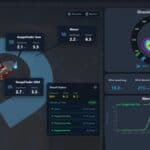
Norwegian ocean surface measurement specialist Miros has introduced a new 3D vessel view for its WaveSystem wave monitoring platform, giving crews and offshore operators a consolidated view of measured sea conditions around their vessel.

Miros Introduces 3D Vessel View for Real-Time Wave Monitoring

Miros introduces a vessel-specific 3D visualisation to help operators interpret real-time wave measurements at critical offshore working locations Norwegian ocean surface measurement specialist Miros has...
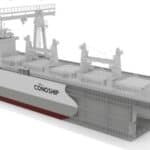
Elegant Exit Company (EEC) has partnered with Conoship International to develop a high-capacity Floating Dry Dock (FDD) concept designed to provide a controlled, environmentally responsible alternative to traditional ship dismantling methods. Ship recycling through beaching remains a major environmental and humanitarian challenge for the maritime industry, exposing coastal ecosystems to potential contamination and workers to hazardous operating conditions.

EEC and Conoship Develop Versatile Floating Dry Dock Concept

The high-capacity floating dry dock concept is designed to support shipbuilding, maintenance and green ship recycling while improving environmental protection and worker safety Elegant Exit...

Related news