


While the US workboat market is primed for the transition to low carbon powertrains, workboat operators must be given further support in the selection of new vessel designs, and new low emission propulsion systems. That is the view of Chartwell Marine, a trusted pioneer of next-generation vessel design, as it meets with customers in Jacksonville, Lafayette, and at Workboat 2023 in New Orleans this week.
While current US emissions legislation for workboats and diesel engine marine craft is geared around EPA Tier 4, some states, such as California[1], are proposing local legislation that goes further in reducing diesel emissions from harbour craft and ferries operated near coastal communities to improve public health.
However, while forward-looking in meeting clean emission regulations, workboat operators, have some hesitancy in adopting new powertrains as they look to long-term fleet needs and vessel operability. This hesitancy means that vessel operators miss early opportunities to explore new powertrain developments – such as methanol combustion, or fully electric systems – and consequently face higher costs as they subsequently have to rapidly adapt to new regulatory timetables.
“The demands placed on the operational lifetime of US workboats are significant, said Andy Page, Managing Director, Chartwell Marine. “This means that operators are highly attuned to the fact their vessels need powertrains and designs that are, first and foremost, robust and reliable. So, when we look at integrating the demands of emissions regulation in our designs, we’re highly cognisant of the fact that operators need confidence from the outset that these vessels can do the job.”
To help overcome the current impasse in wider adoption of low emission powertrains in workboat operations, Chartwell suggests three actions that the industry can take now:
1. Naval architects need to build collaborative relationships with powertrain manufacturers to give broad, multiple propulsion options to US workboat operators.
In responding to tenders for vessels, or working directly with boatyards, designers need to be able to demonstrate that new low emission powertrains can deliver the same resilience, and flexibility in operations to which workboat operators have become accustomed. This requires a full understanding of workboat operator needs, and the willingness to embrace innovative new designs that provide the optimum combination of efficient and low emission power, without compromising on resilience and performance. Naval architects should move beyond the provision of ‘off-the-shelf’ designs for the next generation of US workboats, working closely with powertrain technology firms to provide workboat operators with the best combination for their needs.
2. Workboat tenders from public authorities should recognise and reward low emission vessel designs.
In the competitive environment of Workboat operations, tenders from public authorities, such as ports and harbours, should recognise and incentivise proposals that include new hybrid vessels ahead of forthcoming regulation. Additionally, tenders should also encourage proposals that clearly set out the reduced environmental impacts of new low emission powertrains, demonstrating reduced noise and the potential for fuel spills.
3. The investment case must be proved to workboat operators with the cost savings of hybrid and electric powertrains made clear in the design stage.
The operating data from early adopters of low emission powertrains demonstrates that vessel operators can save considerable values in fuel costs.. Similarly, overhead costs in maintenance have also been demonstrated to have been reduced for hybrid and electric powertrains, providing workboat operators with significant savings, and enhancing the business-case for new low emission vessels.
“The barriers to wider adoption that we collectively need to overcome in the workboat industry are demonstrating to vessel owners that new industry designs meet both future emissions legislations, and the exacting demands of workboat operations,” continued Andy.
“The investment case for a new workboat vessel has to be predicated on it being able to operate in the long term, so as an industry of naval architects, powertrain engineers, and ultimately end customers in ports, harbours and public authorities, we need to support vessel owners with multiple powertrain options, encompassing low emission options, robust design, and competitive contracts that recognise low emissions innovation and adoption.”
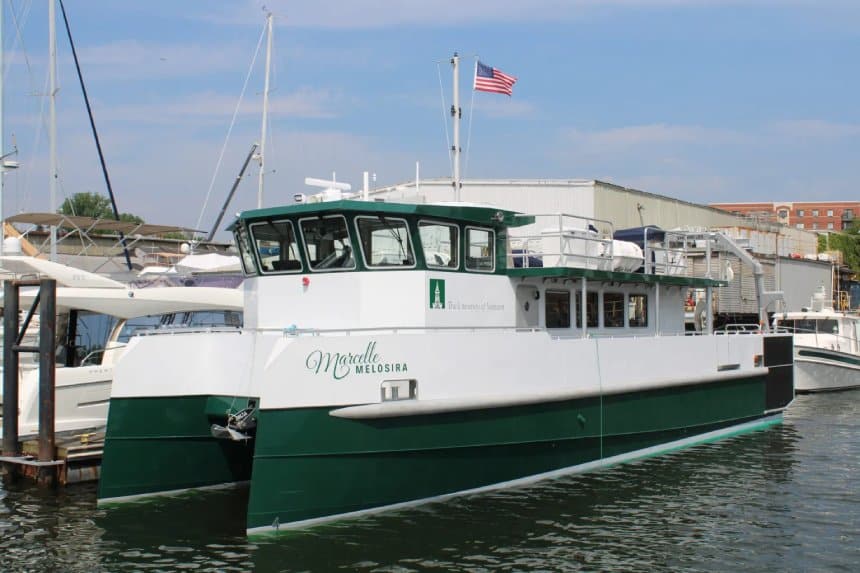
“At Chartwell, we’ve been able to make progress in supporting the US workboat sector adapt to decarbonisation, most notably with the University of Vermont, delivering a hybrid 19m survey vessel, which drove a huge reduction in diesel engine use, and sees the vessel operating fully electric for at least 60% of its operations (including winches and a-frame deck equipment) – delivering a significant value for the vessel owner, without compromising on performance. More widely, our portfolio of local patrol and pilot vessels have all been designed with hybrid propulsion in mind, anticipating the future needs of the US workboat market.”
1] https://ww2.arb.ca.gov/news/carb-passes-amendments-commercial-harbor-craft-regulation