



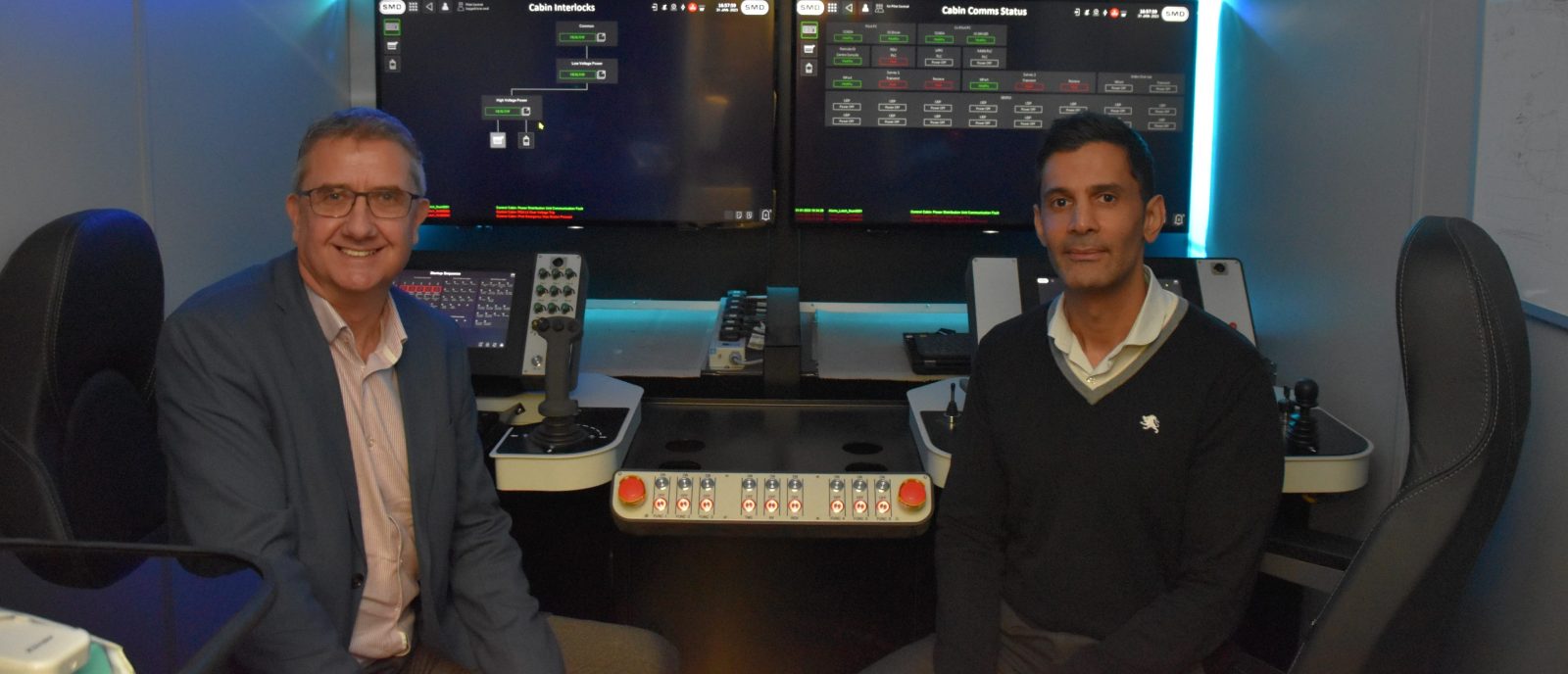
Aberdeenshire headquartered OEG Offshore has invested in SEAJET Systems Limited (SEAJET), the developer of the world’s only dedicated all-electric controlled flow excavation (E-CFE) solution for the offshore energy sector. The firm has recently patented the world’s first ever twin electric powered version of the E-CFE technology.
The revolutionary system, which is being developed with a multi-million pound cash injection, brings with it a step change in system performance and operational health, safety and environmental characteristics when compared to older hydraulic-powered CFEs. The E-CFE tools are currently being manufactured in the north-east of England and will be available for deployment later this year.
OEG Offshore’s commitment to SEAJET is a further development in the global offshore service provider’s move into the clean-tech sector and marks a significant milestone for its net zero ambitions.
John Heiton, CEO of OEG Offshore, said: “This is an exciting investment for OEG Offshore as SEAJET launches its disruptive product to the market. We see major potential in the E-CFE technology, which is complementary to our wider service offering in the clean-tech, renewable and traditional offshore sectors.
“SEAJET’s experience and entrepreneurial drive will enable us to develop further technological enhancements to support the energy transition through disruptive technology.”
SEAJET’s leadership team, which includes Faisel Chaudry, managing director, and Graham Murdoch, operations director, are pioneers in the CFE industry having designed over 90% of CFE systems currently operating in the market today.
Faisel Chaudry, SEAJET managing director, said: “We are proud to have the full backing of OEG Offshore and excited about the future our collaboration brings. E-CFE technology is going to be game-changing for the subsea sector, and we aim to be at the forefront of the evolution.”
E-CFE can be deployed at every stage of a subsea project’s lifecycle, from pre-construction, to execution, operations and maintenance, through to final decommissioning.
The new technology has resulted in major improvements in overall system performance, reliability and significantly reduces health and safety risks on the vessel by eliminating hydraulic hoses and other components associated with older industry technology. They also massively reduce CO2 emissions and fuel costs by up to 40% and eliminate the risk of high pressure oil leaks into the marine environment.







, the developer of the world’s only dedicated all-electric controlled flow excavation (E-CFE) solution for the offshore energy sector. The firm has recently patented the world’s first ever twin electric powered version of the E-CFE technology. The revolutionary system, which is being developed with a multi-million pound cash injection, brings with it a step change in system performance and operational health, safety and environmental characteristics when compared to older hydraulic-powered CFEs. The E-CFE tools are currently being manufactured in the north-east of England and will be available for deployment later this year. OEG Offshore’s commitment to SEAJET is a further development in the global offshore service provider’s move into the clean-tech sector and marks a significant milestone for its net zero ambitions.)