Virtual Cable Ferry system enables intelligent Autocrossing while reducing energy use and supporting reliable ferry operations
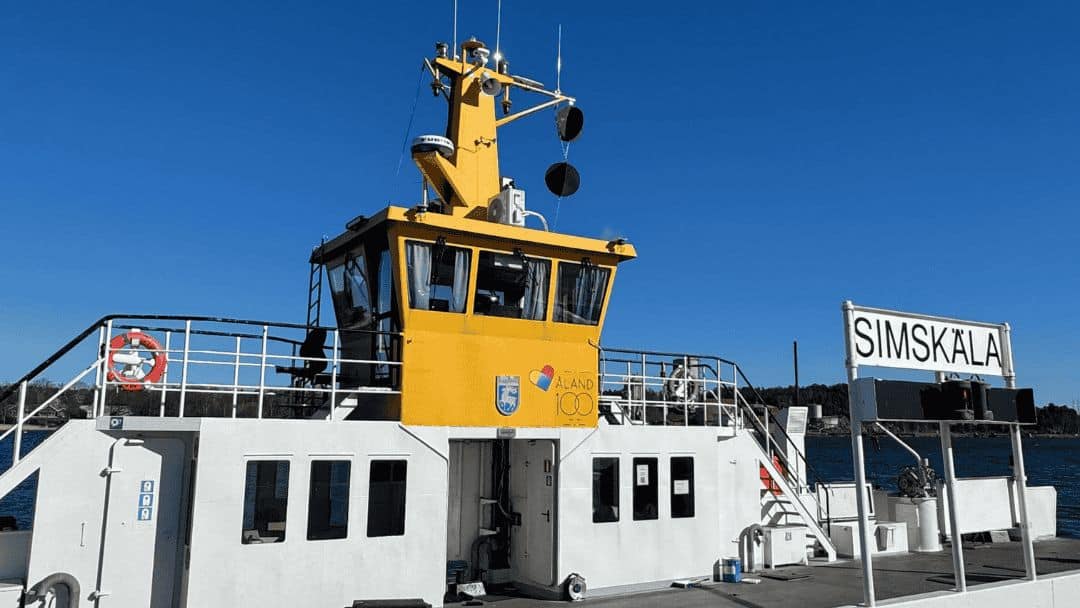
Zeabuz has installed and commissioned its Virtual Cable Ferry (VCF) system aboard the Simskäla ferry operated by the Government of Åland, marking a significant milestone in the project announced earlier this year.
The VCF system provides the ferry with intelligent Autocrossing capabilities, designed to optimise energy consumption, improve crossing times and support reliable day-to-day operations.
After the initial installation, the commissioning was carried out while the ferry continued normal operations, leaving no service interruptions or downtime. “This is exactly how technology adoption should be,” said CTO Tobias R. Torben, who went to Åland to join the commissioning. “Operators want solutions that create value immediately, not projects that keep vessels out of service for weeks. Installing the system and bringing it online shortly afterwards demonstrates the maturity of the technology and the efficiency of our deployment model.”
From day one, the system allows the operator to conduct crossings by the press of a single button, ensuring consistent performance on every crossing in terms of fuel usage, timeliness and safety. “Every operator is looking for ways to optimise resources and maintain high safety standards. That’s exactly the value we aim to deliver, both today and in the future.” Tobias R. Torben adds.
In the future, the Zeabuz Virtual Cable Ferry solution is set to fully replace the need for traditional physical cable infrastructure. The concept removes many of the challenges associated with submerged cables, including wear, maintenance, operational restrictions, and risks of service disruption. While cable ferries are still regulated to require a physical cable today, updated regulations are being developed to allow ferries to rely on a digital cable only. This unlocks a fully new operational model where traditional road ferries can be reclassified and regulated as virtual cable ferries, lowering manning and maintenance costs and improving reliability.
With the system deployed, Zeabuz and the Government of Åland will continue their collaboration as the project moves into operational service, helping demonstrate how modern intelligent navigation technology can support safer, more efficient, and more resilient ferry transport for island communities.