


Med Marine highlights the Convention’s lasting contribution to maritime safety, environmental protection and effective global salvage operations
As the maritime industry marks the 30th anniversary of the International Convention on Salvage entering into force, Med Marine has recognised the Convention’s enduring contribution to maritime safety, environmental protection and the establishment of a fair international framework for marine salvage operations. By providing a balanced legal framework for marine salvage, the Convention has strengthened emergency response capabilities, supported environmental protection and reinforced confidence across the global shipping industry.
The Convention established in international law the long-standing principle of “no cure, no pay”, encouraging professional salvors to respond rapidly to vessels in distress while ensuring that successful salvage efforts are fairly rewarded under the criteria set out in Article 13.
Recognising that protecting the marine environment is equally critical, the Convention also introduced the concept of special compensation under Article 14, encouraging salvors to intervene even when the likelihood of saving the vessel is limited. This approach later evolved into the SCOPIC (Special Compensation P&I Club) Clause under LOF 2000, further strengthening the industry’s ability to respond effectively to complex maritime casualties.
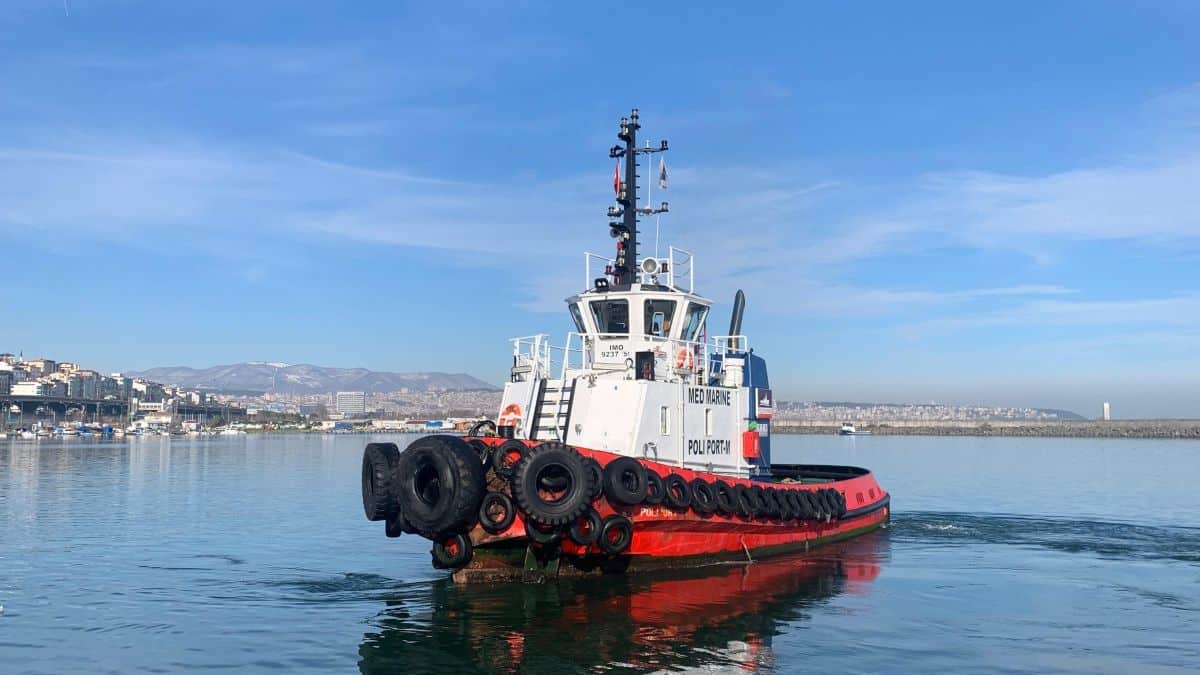
As a member of the International Salvage Union (ISU), Med Marine is proud to recognise the lasting significance of this milestone and the role that the Convention continues to play in supporting a safer, more resilient and environmentally responsible maritime industry.
Commenting on the anniversary, Recai Hakan Şen, Chairman of Med Marine, said: “The strength of the Salvage Convention lies not only in the legal framework it established thirty years ago, but in the mindset it created for our industry. It recognises that when a casualty occurs, rapid action, professional expertise and international cooperation are essential to protecting lives, safeguarding the marine environment and preserving global trade.
Over the past three decades, shipping has evolved dramatically. Vessels have become larger, cargoes more valuable and operations increasingly complex. Yet the need for an internationally recognised framework that enables prompt and effective emergency response has remained unchanged.
As our industry continues to advance, resilience will depend not only on technology, but also on the willingness of organisations across the maritime community to work together. The Salvage Convention continues to provide that common foundation, and its importance will only grow as shipping navigates the challenges of the future.”
The International Convention on Salvage remains a cornerstone of modern maritime practice, supporting a system that benefits shipowners, insurers, coastal states and the wider maritime community alike. Three decades after its entry into force, its principles continue to safeguard people, property and the marine environment while promoting international cooperation and responsible maritime operations.